

Climate loss and damage fund exists, but the money doesn't
- Countries sought $2.8 billion in the fund’s first call, but only $342 million was available, and half of pledged contributions had arrived by summer.
- Nepal is slated for $21.6 million after deadly glacier-triggered floods, but must file a spending plan, delaying aid amid an emergency.
- Pakistan has received no funds despite submitting two projects; officials seek grants rather than loans to prevent climate disasters from worsening debt. Read more
On the sandbars and river islands of Bangladesh's Brahmaputra and its branches, families have little to fall back on when the water rises.
"The floodwater swallows everything," said 16-year-old Rasel Babu, who had traveled to Antalya, Turkey, to speak to delegates at the UN climate conference.
Created after years of pressure from vulnerable nations, the loss and damage fund was designed to help countries recover from climate disasters and irreversible climate impacts. This includes extreme weather events such as floods, heat waves and wildfires as well as slow-onset impacts such as sea level rise, desertification and damage to infrastructure and crops.
But the fund is already struggling to meet demand. It received $2.8 billion (€2.56 billion) in urgent requests in a first call for funding, with only $342 million available at the time.
Even the money promised has not fully arrived. Only about half of the money currently pledged had been received by this summer.
While the European Commission signed a €25 million ($27 million) contribution agreement to the fund on the margins of COP31, formalizing an earlier pledge made at COP28, and Spain pledged an additional €15 million, other contributions to loss and damage remained scarce.
First payout will go to Nepal after glacier collapse
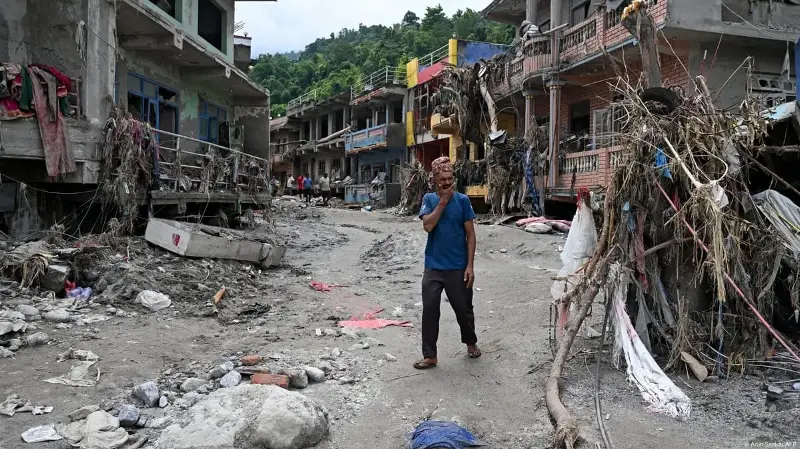
The fund's first emergency response is going to be paid out to Nepal. The board of the Fund for Responding to Loss and Damage had provisionally set aside $21.6 million following the catastrophic glacier collapse that triggered flash floods in August, killing more than 1,500 people with 5,600 more missing.
But the money has not moved yet. Nepal must first submit a funding request setting out how it will be spent.
"It's asking for a country that is dealing with the climate emergency to work on a proposal," Nepali climate finance expert Bibek Raj Kandel said, adding a layer of bureaucracy inefficient to address the urgency.
Nepal is already waiting on another request, filed after floods in Kathmandu and landslides in the eastern hills. "There's already one pending proposal sitting on the table," Kandel said. Unless the fund speeds up, he warned, it's "going to disappoint many, many countries."
Pakistan which led the push for the fund in 2022 after floods affected 33 million people and killed more than 1,730, also hasn't seen any of the money yet.
"Pakistan was one of the countries which really spoke up and managed to get the loss and damage fund on the climate agenda. But it takes a long time," Pakistan's Minister of State for Climate Change, Shezra Mansab Ali Khan Kharal, told DW.
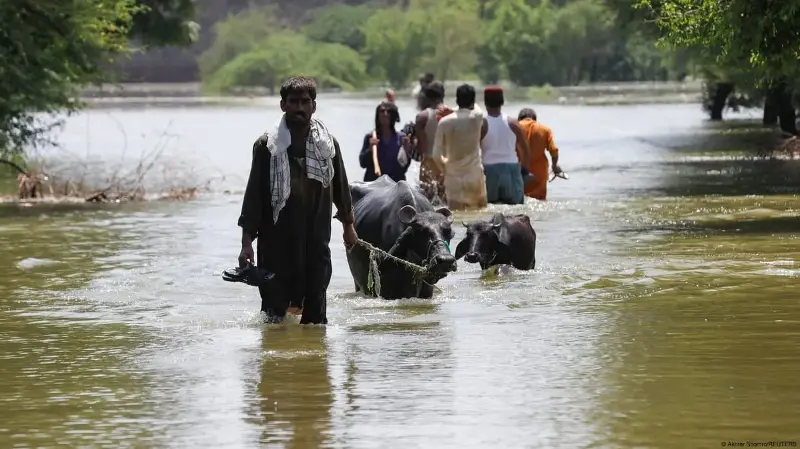
"We have still not really got anything. We haven't seen anything on the ground at all as yet," Kharal said. Pakistan has submitted two projects and was told the cap is $200 million.
Other forms of aid often come in the form of loans.
"These promises, they are hollow promises," said Abid Qaiyum Suleri, Executive Director of the Sustainable Development Policy Institute (SDPI) in Islamabad, adding that for a heavily indebted country, the form of the money matters as much as the amount.
"We do not want that a climate disaster in Pakistan should translate into further debt for Pakistan," Kharal said, calling for grants rather than loans.