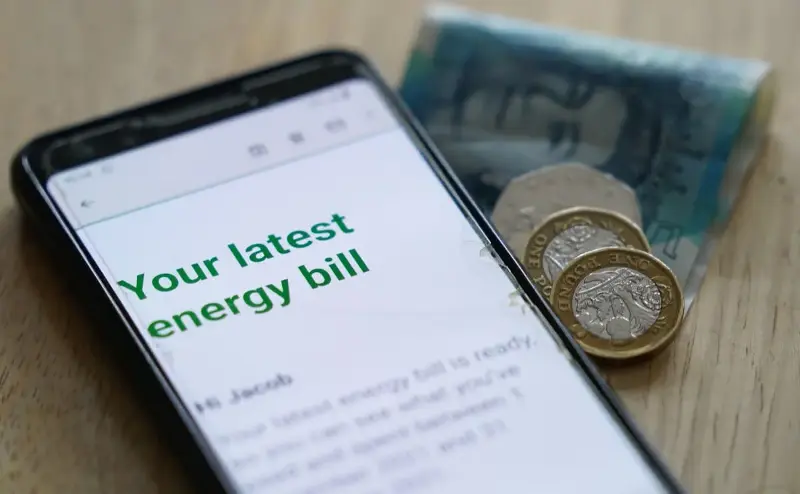

Energy bills to soar as price cap to rise by more than £400 from January
- Ofgem says the cap for dual-fuel homes in England, Scotland and Wales rises 26% from January 1, reaching £2,166 a year, or £36.91 more monthly.
- October’s Middle East conflict drove oil and gas prices higher and set the cap calculation; prices eased, but too late to reduce this quarter’s increase.
- Up to 20 million English households will get £100 from January; a temporary 5% electricity VAT cut and removal of gas standing charges offer relief. Read more
Energy bills for households across the UK will surge by more than a quarter from the start of next year, the energy regulator has revealed.
Ofgem has confirmed that the energy price cap will rise by 26% from January 1 for a typical household in England, Scotland and Wales.
The price cap will rise by £443 per year - or £36.91 per month - to £2,166 for the average household using both electricity and gas if this level was sustained for a year.
The quarterly cap, which is in line with predictions from industry analysts, is the highest since the second quarter of 2023.
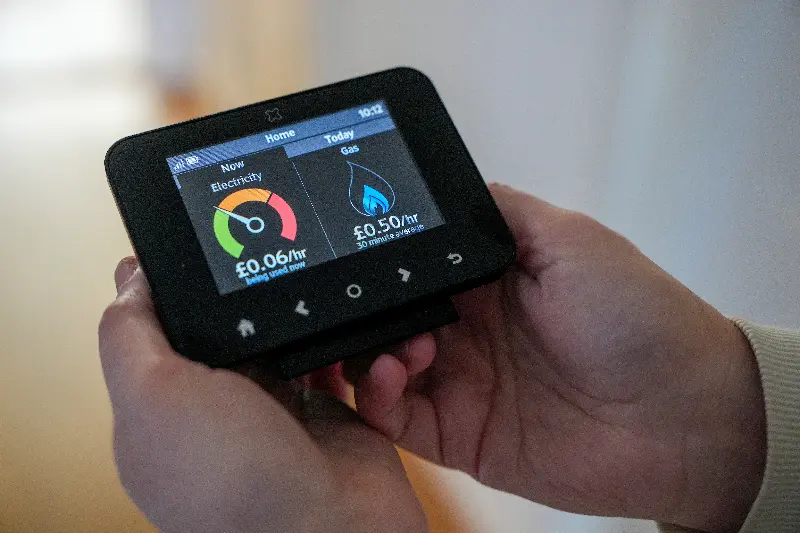
The rise follows the escalating conflict in the Middle East which sparked a fresh jump in oil and gas prices through October, amid deepening fears of gas supply levels in Europe.
While prices have since eased back, it was too late to affect the calculation for the new price cap.
The hike will leave the cap at its highest level in four years, and comes on top of already high energy costs.
The price cap had already increased by 4% at the start of last month.
The government has announced that up to 20 million households in England will receive £100 towards their energy costs from January - but the cap rise will mean that these households will still see a rise in bills.
The Chancellor also announced in his autumn budget a temporary 5% VAT cut from electricity bills until June next year, and that gas standing charges will be scrapped in England, Scotland and Wales.
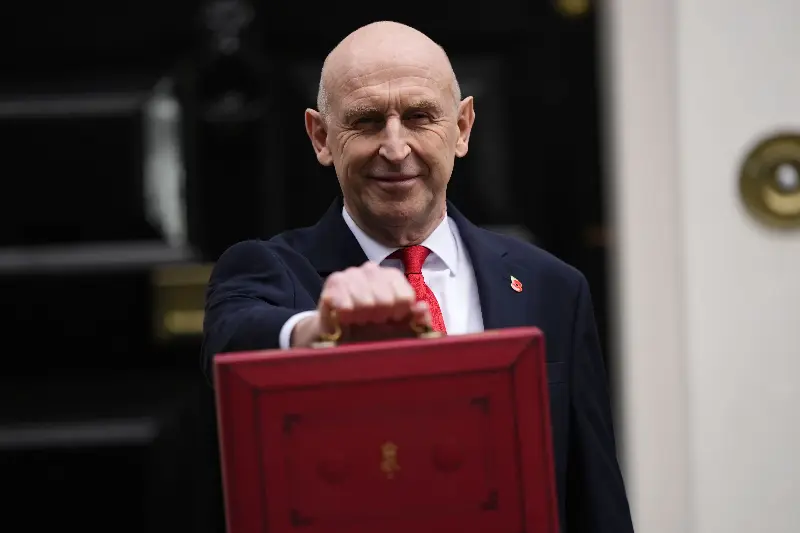
Campaigners had said that current support will still leave millions of people facing a surge in their bills, and that it was “not too late” for further Government intervention to help hard-hit households.
Simon Francis, coordinator of the End Fuel Poverty Coalition, said: “The Government should be investing more in helping households get off gas for good and ending our exposure to these volatile prices, and it is not too late for Ministers to also take action that would make a difference this winter.”
Following the announcement, Ofgem’s director general for markets Neil Kenward said: “Conflict in the Middle East continues to drive energy costs higher, and we know this price increase will be a worry for many households as winter approaches.
“We urge anyone who is struggling to afford their energy bills to reach out to their supplier, who must offer appropriate support and advice – we are writing to suppliers today to remind them of their obligations and ensure they are ready to provide that support.”

Energy Secretary Miatta Fahnbulleh said: “I know people are deeply concerned by another rise in energy bills. For too long, British families have been paying the price for conflicts overseas and volatile fossil fuel markets.
“To help this winter, we’re stepping in to give families some breathing space, so from January, the majority of households will get £100 towards their energy costs.
“But there is more to do to take the pressure off families and bring bills down for good. That means more cheap, clean, homegrown power so we’re less reliant on expensive fossil fuels, and reforming our broken energy system so it’s fairer for British people.”
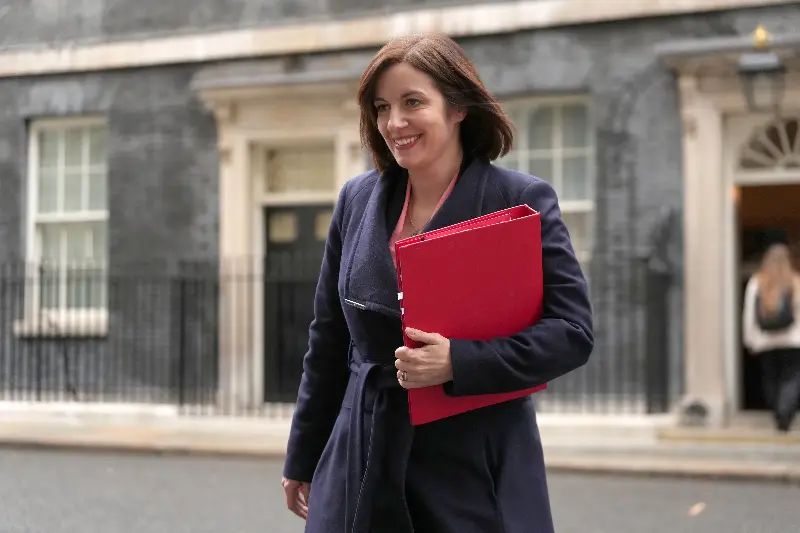
Equalities minister Bridget Phillipson told Times Radio on Wednesday: “I think it underlines how important it is that we move away from the exposure that we have when things happen across the Middle East and in other parts of the world that then have a knock-on effect for families here.
“We’ve got to be less exposed in the future. We need to invest more in cheaper, homegrown energy, so that when those events do occur, families here are less exposed to those price fluctuations.”