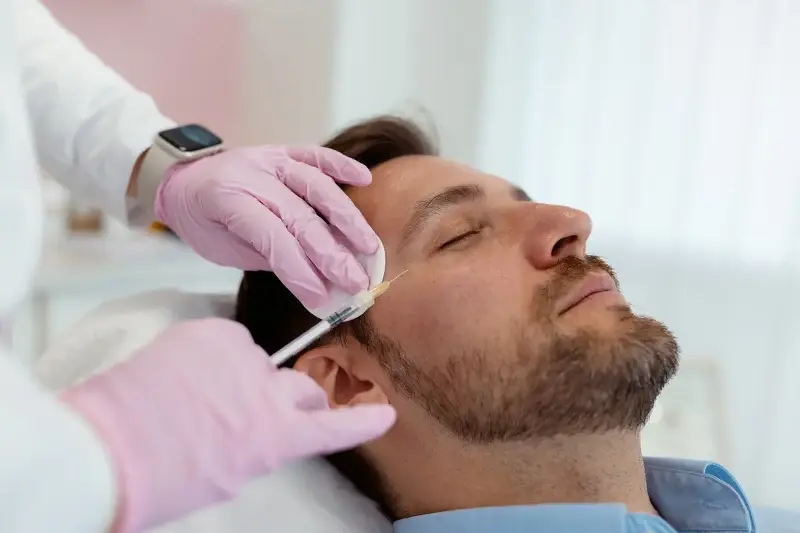

What makes your Botox wear off faster – and how to make it last
- Duration varies with muscle mass, activity and individual response; precise placement and a tailored dose matter more than using more toxin.
- Wait at least two weeks before judging results; leave 12 weeks between sessions; frequent injections may prompt antibodies and reduce responsiveness.
- Sun exposure does not appear to break down Botox, but worsens skin ageing; daily SPF 50 protects skin, while skincare improves appearance, not duration. Read more
An estimated 900,000 Botox injections are given in the UK each year. Love it or hate it, the age-defying tweakment has become part of many people’s routines, whether for cosmetic reasons, jaw-clenching, or hyperhidrosis (aka excessive sweating). At £150 to £450 per session, with results that generally last only three to four months, this can become an expensive ritual to maintain, with frequent concerns over young people turning to practitioners with dodgy products to try and keep up appearances.
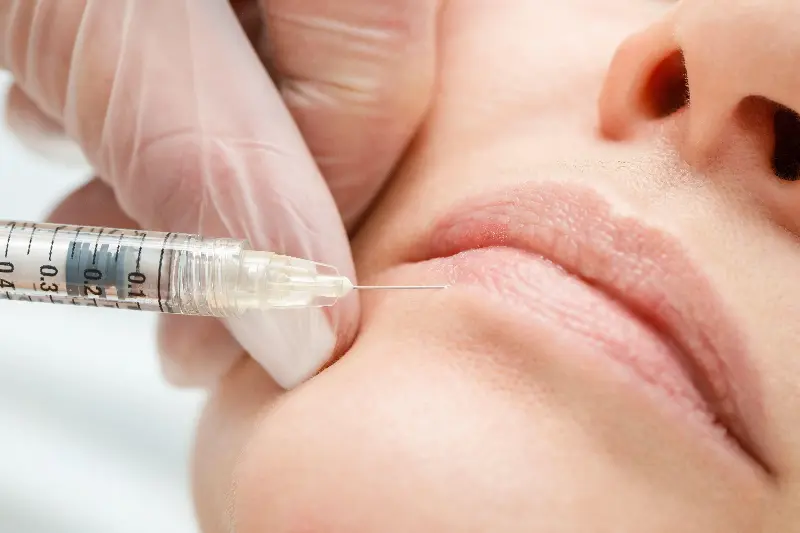
Botox’s effects are relatively short-lived, as your body begins to repair after each appointment. The injection, which has cleaved the targeted area’s nerves of their protein, has disrupted the nerve signals, leaving the muscle unable to contract. As new sprouts develop, this communication function recovers and movement gradually resumes. “We’re working with the body’s own neurological recovery mechanism,” says aesthetic expert Dr Arti Singh. “Some patients might be able to go five or six months, while others will notice movement return after eight to 10 weeks.”
Some of this is down to biology: the person’s muscle mass, strength and activity of the treated muscle and treatment area, as well as individual response to the toxin. “Two patients receiving exactly the same treatment will have quite a different experience, different results and different longevity,” says Dr Singh, who adds that alcohol, saunas, heat exposure, and intense exercise are recommended to be avoided for 24 hours after treatment due to blood vessels expanding, which can cause bruising at the injection site – rather than inhibit the treatment’s impact.
The objective is always to use the appropriate dose to achieve the effective muscle relaxation, and also we want to preserve natural expression
Nevertheless, some factors of getting Botox can be adjusted to help yours last longer and allow your pockets (and face) to hurt slightly less...
Bad practitioners
If an injector has a really good understanding of facial anatomy, muscle movement and where to place the injector for the individual patient’s pattern of expression, then results are likely to last longer. “The biggest practical consideration from my point of view is appropriate dosing,” says Dr Singh. “If we’re consistently underdosing a strong muscle, we won’t achieve adequate relaxation and therefore the duration the patient is hoping for.
“This doesn’t always mean that more Botox is better,” she adds. “The objective is always to use the appropriate dose to achieve the effective muscle relaxation, and also we want to preserve natural expression. So it's not about just freezing the patient. So they’ve got no movement whatsoever. It’s really about precision.”
Needless top-ups
Patients shouldn’t return to their practitioner for a top-up any time before the two-week mark, so that the treatment has reached full effect. Even then, an additional injection isn’t a given. On top of that, it’s important to stick to the three-month rule, where 12 weeks minimum is left between each treatment to prevent immunoresistance. “If you inject too frequently, your immune system will constantly be exposed to Botox,” says Dr Singh. “It almost acts like a vaccine where your body will ramp up antibody production. So, don’t have touch-ups after the two-week mark.”
Lack of consistency
There’s some evidence that shows that repeated Botox treatment can lead to changes in muscle bulk. So, with the period of inactivity Botox gives a muscle its area can weaken or shrink. “Clinically, we will often see that patients who have been treated quite consistently over a period of time will actually require less frequent maintenance,” says Dr Singh. “This isn't something that I would guarantee to a patient... but that is what I’ve seen.”

SPF and skincare
Although there’s no evidence yet that UV exposure breaks down Botox faster, sun is one of the biggest contributors to premature skin ageing because it accelerates collagen breakdown and can contribute to fine lines, wrinkles, and loss of skin quality. “Botox treats dynamic wrinkles,” explains Dr Singh. “When someone spends a lot of time in the sun, they might have static wrinkles, which are there even when they’re not expressing. So, they might feel that their Botox has worn off sooner, but actually, in reality, their underlying skin ageing is just more visible. Ideally, use SPF 50 daily...Good skincare isn’t going to make your Botox last longer, but it is going to make it look better,” she says.
Exercise and metabolism
Studies have shown that high levels of physical activity can reduce the durability of Botox. That’s not to say everyone should stop running to look younger, but high-intensity athletes might notice the effects of injections wearing off quicker. “Because of that high metabolic rate, it can mean their Botox lasts roughly around three months, compared to more sedentary patients who get maintenance injections at around the four or five month mark,” says Dr Singh. “But this is an emerging area of research.”
A new range of products
Interestingly, new products are being introduced to the UK market that have shown longer-lasting results than the previous generation of botulin and type A treatments. Both Relfydess and Alluzience have been shown to have effects that last up to six months, with onset that can occur within 2-3 days with the former and 24 hours with the latter.
“They’re relatively new in the UK,” notes Dr Singh. “But they are being used for patients who’re, perhaps, travelling and can’t come back for their three- to four-month recall, or those who don’t like having injections that frequently and prefer long intervals between appointments.”