
Five foods that hit the protein-fibre sweet spot
- High-protein diets are gaining popularity, but many protein-rich foods lack fiber, making it essential to find foods that provide both nutrients.
- Five foods that balance protein and fiber include porridge oats, peas, beans, chickpeas, and almonds, each offering unique health benefits.
- Incorporating these foods into meals can enhance muscle health, digestion, and overall well-being without major dietary changes. Read more
Once the preserve of weightlifters and athletes, high-protein diets have gone mainstream in recent years. Increasingly, we’re piling our plates with eggs, meat and plant-based alternatives in the hope of building stronger muscles, losing weight and ageing well.
Now the spotlight has shifted to fibre. Fuelled by the rise of “fibre-maxxing”, more of us are waking up to the powerful health benefits of a nutrient most of us fall short on.
But there’s a catch: how do you get enough of both nutrients on one plate? “Many familiar protein foods, such as meat, fish, eggs and dairy, contain little or no fibre,” explains Nichola Ludlam-Raine, dietitian and author of How Not to Eat Ultra-Processed. “Fruit, vegetables and wholegrains can be excellent fibre sources but often provide less protein per serving.”
Both protein and fibre are vital for health. Protein helps maintain muscles and bones, while fibre supports digestion and gut health. “A varied, fibre-rich diet is also associated with a lower risk of cardiovascular disease, type 2 diabetes and bowel cancer,” says Ludlam-Raine.
Yet just four per cent of UK adults get the recommended 30g of fibre a day, and research suggests around half of adults over 65 don’t consume enough protein to stay healthy.
The good news? A few everyday foods deliver a healthy dose of both nutrients. Adding more of these affordable staples to your diet can help boost your intake without having to overhaul your meals or shopping list.
Here, Ludlam-Raine and Heather Daniels, a specialist dietitian, reveal five foods that strike the perfect balance of protein and fibre.
Porridge oats
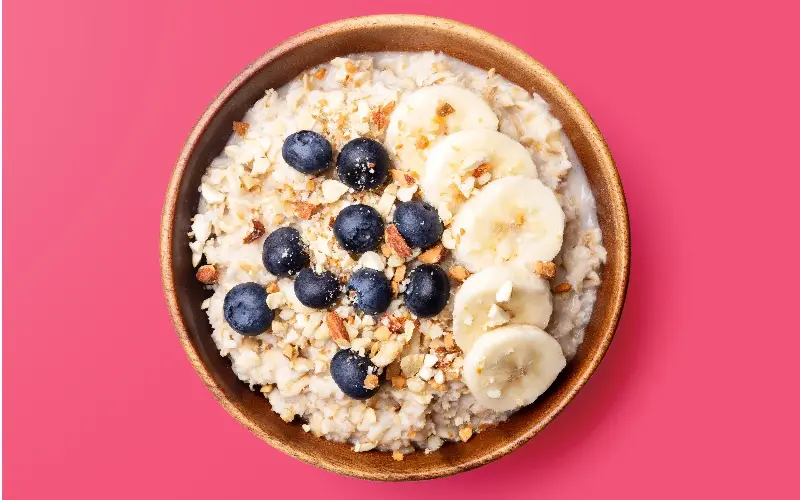
Starting your day with a bowl of porridge is one of the best ways to get a healthy dose of both fibre and protein. A standard 40g serving of dry oats provides over 4g of protein and 3g of fibre.
“Oats contain beta-glucan, a soluble fibre, which, according to the evidence, supports a cholesterol-lowering effect when enough is eaten regularly as part of a diet,” says Ludlam-Raine. In fact, studies show consuming at least 3g of beta-glucan from oats each day (which you get from roughly 60g of whole oats or 30g to 40g of oat bran) can reduce total and LDL (“bad”) cholesterol by about five to 10 per cent.
“One bowl isn’t a magic fix, but oats are an inexpensive, versatile way to build fibre and protein into breakfast,” says Ludlam-Raine. “Some people find suddenly eating much more fibre causes wind or bloating, so it’s sensible to increase it gradually and drink enough fluid.”
Try this
Ludlam-Raine recommends serving oats with milk, kefir or a calcium-fortified soya drink for extra protein to help curb mid-morning cravings. “Add berries, seeds, nuts and natural yogurt for a more substantial breakfast, or prepare overnight oats the evening before,” she says. A standard bowl of porridge made with these ingredients delivers roughly 20g of protein and 8g of dietary fibre.
Peas
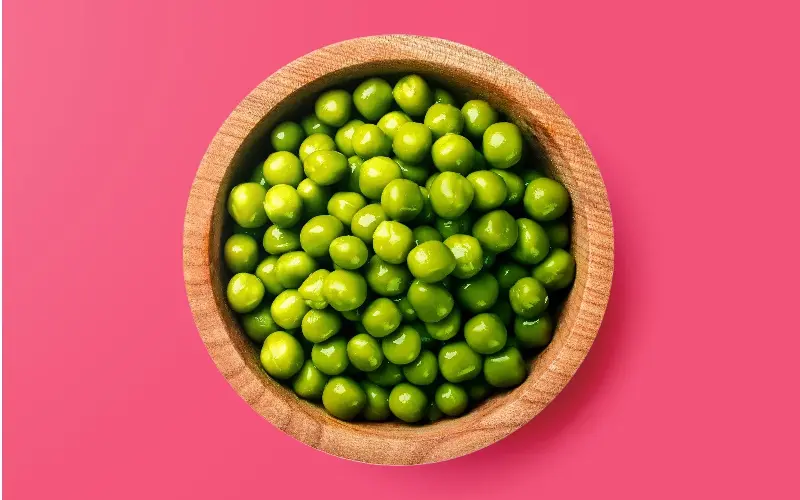
According to recent reports, the UK has fallen out of love with peas. Last year, the average Briton consumed less than one serving per week, down from two servings in 1975. Yet this underappreciated legume deserves a place on your weekly shopping list, as peas provide around 5g of both fibre and protein in a typical 80g serving.
Peas are handy as they count towards your five a day, but are starchier than vegetables such as kale or broccoli, so are often eaten in place of another carbohydrate source such as potatoes.
“That’s no bad thing,” says Ludlam-Raine. “Peas provide fibre and plant protein as well as other nutrients, including vitamins K and C. They contain all nine essential amino acids [the building blocks of protein], although the amounts can vary, as they do across plant proteins.”
Additionally, the tiny green legume provides insoluble fibre, which adds bulk to stools and helps prevent constipation, plus soluble fibre, which slows digestion and helps regulate blood sugar, keeping you feeling fuller for longer, says Ludlam-Raine.
Try this
Stir peas into pasta, soup or risotto, or mash them with lemon and black pepper to serve on wholegrain toast with a poached egg. “They’re a simple way to add more plant protein to a familiar meal,” says Ludlam-Raine.
Beans
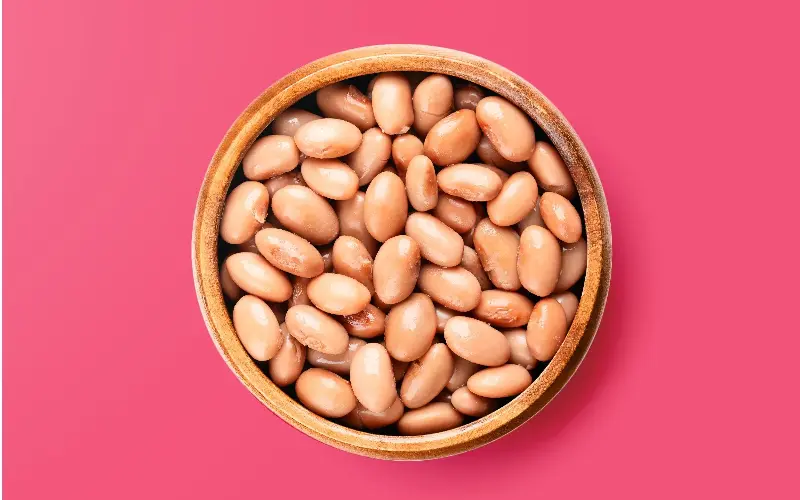
From black beans to butter beans, these affordable staples are an easy way to add a powerful dose of fibre and protein to everyday meals.
An average 150g portion of cooked black beans contains a generous 13–14g of protein and more than 12g of fibre. “They provide non-haem iron, which is needed to make [the] haemoglobin that transports oxygen around the body,” says Daniels. “Add them to tacos, chilli or a rice bowl with peppers, tomatoes and avocado for a simple, fibre-rich meal.”
A small study presented at Nutrition 2025 found people with prediabetes who ate a cup of black beans daily for 12 weeks had lower levels of an inflammatory marker in their blood.
Similarly, a 150g portion of cooked butter beans delivers 9g of protein and 9g of fibre. “They’re a nutritious pulse providing fibre, plant protein and important vitamins and minerals,” Daniels explains. “Their soft and creamy texture makes them an easy addition to soups, stews, salads and vegetable dishes.”
Try this
Toss a handful of edamame beans into a salad, stir-fry or grain bowl. “They’re a soya protein containing all nine essential amino acids, making them a high-quality plant protein,” says Daniels. “They also make a great snack straight from the bowl with a squeeze of lemon and a sprinkle of sesame seeds.” A 100g portion (a small bowl) provides roughly 12–14g of protein and 5g of fibre.
Chickpeas
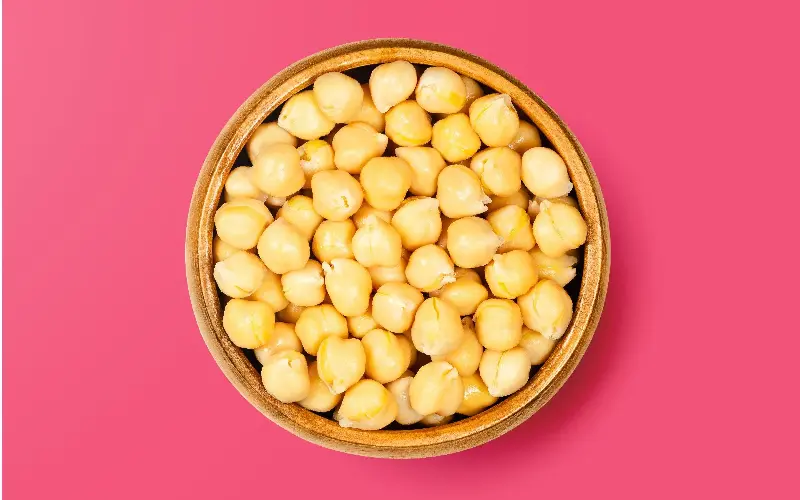
Once relegated to the back of the cupboard, chickpeas have grown in popularity, partly due to the rise of fibre-maxxing and our obsession with gut health. A 150g portion of cooked chickpeas contains around 12–13g of protein and 10–11g of fibre.
They also contain resistant starch, “a type of fibre which can be fermented by gut bacteria to produce short-chain fatty acids that support gut and bowel health”, explains Daniels. A 2024 review highlighted chickpeas’ potential to support beneficial gut bacteria, while their fibre may help promote regular bowel movements and relieve constipation.
Chickpeas’ rich protein content makes them great for strong bones and healthy muscles, alongside magnesium, which helps maintain normal muscle function. A 150g portion of chickpeas contains roughly 20 per cent of your daily magnesium requirements and 10 per cent of your calcium needs.
Try this
Ludlam-Raine recommends mashing chickpeas with lemon juice, olive oil and seasoning for a quick spread on wholegrain toast or in a wrap. Alternatively, try tossing them with olive oil, paprika and cumin, then roasting until crispy for a crunchy snack, suggests Daniels. Or simply add them to salads and soups for extra plant protein and fibre.
Almonds
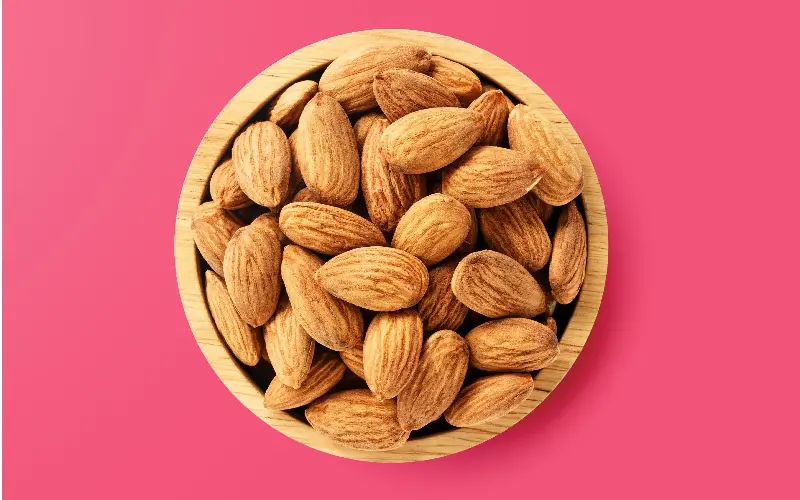
Low in carbohydrates and high in protein, fibre and healthy fats, almonds are the perfect filling snack. A small 30g handful contains more than 3g of fibre and 6g of protein.
“Almonds are one of the highest-fibre nuts and a source of prebiotic fibre for your gut microbes,” says Daniels. This helps create a more diverse and healthy microbiome, aiding immunity, digestion and regular bowel movements.
A 2025 study found eating 45 almonds (roughly 50g) a day can significantly improve gut and cardiovascular health in people with metabolic conditions such as obesity and high blood pressure. “Almonds can help to slow down the blood-sugar response, thanks to their fat, fibre and protein content,” Daniels explains.
Try this
A small handful of almonds (30g) makes a quick, easy snack, says Daniels. If you’re watching your weight, stick to this serving size as almonds are relatively high in calories, with 191kcal per 30g. “Sprinkle them on your morning porridge, add them to a salad or even blend them into a smoothie for a beneficial fibre and protein hit,” she adds.