
Forget the sights – the pharmacy is the new tourist hotspot
- Florence’s apothecaries grew from medieval monastic care and trade; Santa Maria Novella, founded in 1221, sells perfumes and remedies in rooms.
- Travelers seek ingredients unavailable at home: some skincare needs a UK prescription but is sold over the counter in Italy, while herbal remedies draw others.
- French pharmacy hauls thrive online, with shoppers citing prices, bundles and VAT refunds; one serum costs €42 in Paris versus $80 in the US. Read more
For most travellers, a visit to the pharmacy typically means something has gone awry – perhaps an upset stomach or some minor ailment. For me, it’s an essential part of sightseeing.
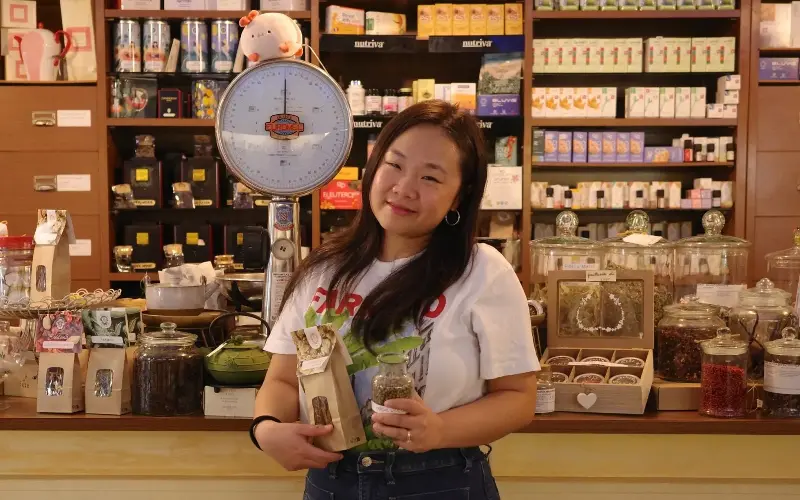
Whenever I find myself abroad, I’m always on the prowl for local beauty and health products. The habit runs in the family: as a little girl, I loved nosing around pharmacies with my thrifty mother. We’d walk around swatching skincare samples and comparing the best deals we found on vitamins and shampoo.
My conquests have come from pharmacies all around the world: retro-packaging toothpaste from Portugal, hair perfume from Seoul and sheet masks from Tokyo just to name a few.
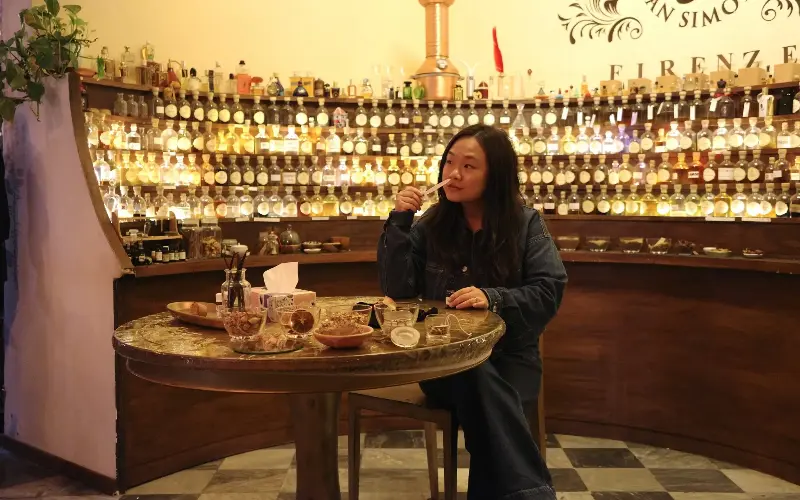
It turns out I’m far from alone. Seeking out local pharmacies has become a high-priority experience for many tourists, especially in France. Between March 2024 and March 2025, TikTok videos tagged #FrenchPharmacy racked up 84.8 million views and 2.4 million likes.
This trend may be influenced by social media, but as I’ve come to discover, travellers who seek out local remedies and specialist products are hardly a new phenomenon.
Apothecaries, remedies and merchants
Hundreds of years ago, travellers were already journeying far and wide in search of remedies they couldn’t find at home. I travelled to Florence for a glimpse into that history. Religious orders in the city formed the backbone of healthcare during the Middle Ages, laying the groundwork for the present-day pharmacy.
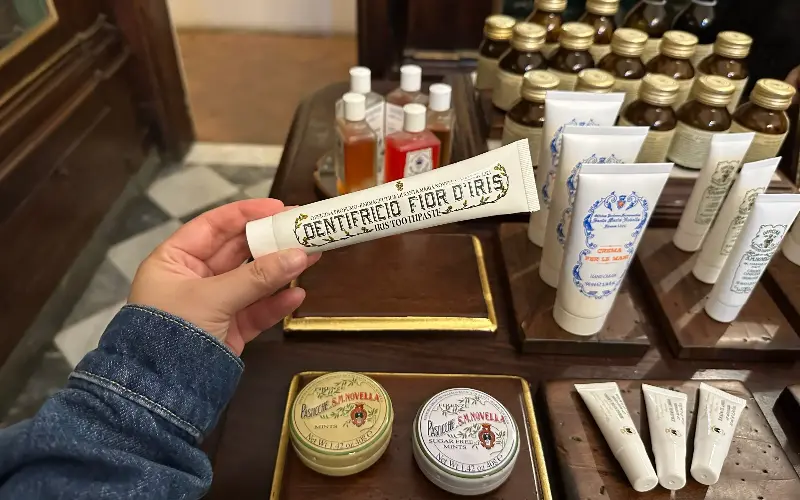
To understand how these institutions became destinations in their own right, I took part in a guided walk through some of the city’s oldest apothecaries hosted by GetYourGuide, one of the booking platform’s pharmacy-focused tours and workshops.
According to local historian and tour guide Stefano Turi, during the Black Death, Franciscan monks treated people who couldn’t afford hospital care, using herbs grown in their gardens to prepare remedies, while Dominican friars experimented with distillation techniques that eventually evolved into perfumery. The city’s long-standing importance as a trading hub also helped these apothecaries flourish, as merchants arrived from all over the world with new spices and herbs.
Part museum, part souvenir shop
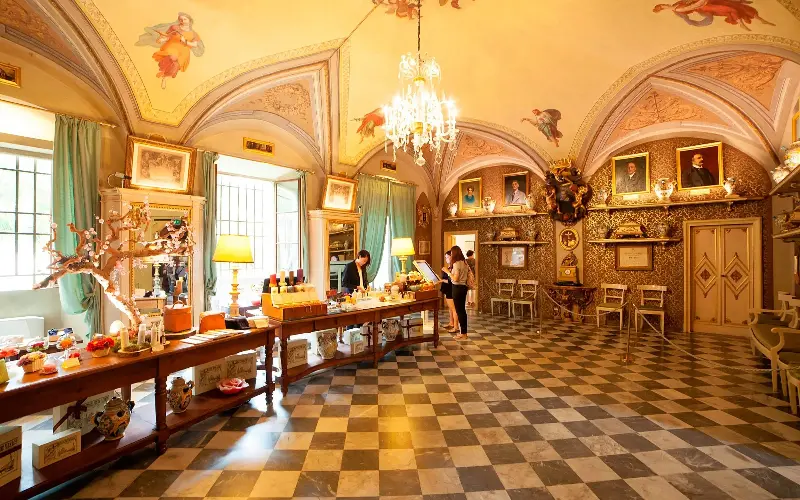
The key stop of my Florence walking tour was perhaps the most iconic pharmacy of them all: Officina Profumo-Farmaceutica di Santa Maria Novella. It dates back to 1221, when Dominican monks established a medicinal garden for the convent infirmary. It has since become one of the most visited places in Florence, and it’s not uncommon to see queues spilling down the block.
“This pharmacy is considered one of the highlights in Florence, along with the Uffizi Gallery and the Duomo,” Turi says.
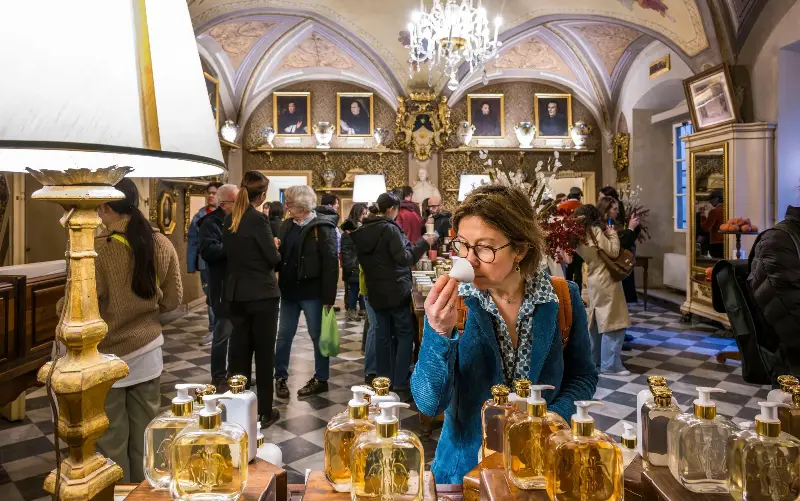
Behind the magnificently preserved storefront, centuries-old paintings, dark wood panelling and chandeliers mingle with shelves of potpourri, tea infusions, candles and the brand’s own line of perfumes and skincare. One of the longtime bestsellers is Acqua di Rose, a moisturising toner that originated in the 14th-century, previously used to disinfect rooms during plague outbreaks.
Records showed the friars were already selling scented waters here in 1381. Drawing from this rich heritage, fragrance remains one of the most coveted items. I was told that the scent “Incenso” was a huge hit with customers visiting from abroad; this smoky, lingering concoction is heavily inspired by the resins that were burnt in local church ceremonies.
Ingredients worth travelling for
Like the medieval travellers on a pilgrimage to source plague treatments, a modern benefit of pharmacy shopping abroad is access to products that can be harder to source on home turf. On a recent birthday trip to Tuscany 40-year-old Meredith Olson, an editor based in London, called ahead to a pharmacy in Florence to ensure she could stock up on her favourite skincare items – which include active ingredients she uses to help reduce redness and hyperpigmentation.
“Getting these products in the UK usually requires a GP consultation and a prescription, but they’re available over-the-counter in Italian pharmacies,” she explained, acknowledging that this workaround can come with inherent risks.
As for me, I’m drawn to herbal remedies rooted in Eastern medicine and always seek them out when travelling to China and Southeast Asia. One pharmacy staple is a foot-soak blend containing ai cao (mugwort), a common herb in traditional Chinese medicine, which I use to warm up during the winter and ease period cramps. I’ve found them so useful that friends often request me to bring some back for them.
Bargain hunting abroad
“I come to Paris three or four times a year and spend at least five hours at pharmacies,” said 56-year-old Susan McAvoy, a photographer and content creator from Boston, United States.
“I walk out with about €500 (£418) worth of products every time.” McAvoy regularly films her hauls and has garnered a loyal following of over 66,000 on Instagram; most are women over 40 who duly purchase her recommendations on their own Paris trips.
For her, the main appeal of French pharmacy products lies in the price difference: A bottle of Caudalie’s Vinoperfect Serum, for example, retails at $80 in the US (£52 in the UK), but only costs €42 (£35) in a Parisian pharmacy. Factor in the additional French VAT refund once you spend over €100 at a store, and the savings are considerable.
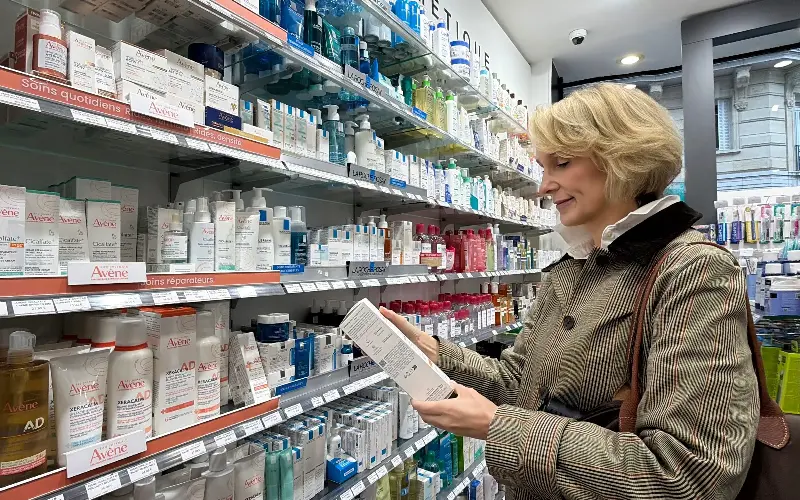
McAvoy said that many French pharmacies offer special bundles where you can get additional free products, making shopping even more tempting. “Most pharmacists in Paris speak fluent English and are very approachable,” she added.
The legacy and modern obsession
As I watched fellow giddy travellers stream through a Florentine shopping hall, it dawned on me that the allure of pharmacies is both old and new. For centuries, travellers have sought out apothecaries for remedies; now, fuelled by social media, it has evolved into something that resembles a treasure hunt as well as a cultural experience.
A pharmacy can offer you a glimpse into local history, a good deal on a favourite product or a souvenir that feels more practical – and often more personal – than anything from a gift shop. And that’s precisely why I keep coming back for more.