
The world’s strangest travel superstitions
- Superstitions ease anxiety when journeys depend on forces beyond our control; clapping on landing or pouring water are rituals for safe returns.
- Cultures avoid unlucky dates and numbers: Chinese hotels may omit floor four, while Spaniards reschedule travel to steer clear of Tuesday the 13th.
- At sea, crews avoid rabbits and bananas; ghost-tour guides use charms or greet spirits, while airlines signal luck through names like Shamrock and 888. Read more
The next time Oliver Browne, a mountain guide, climbs Kilimanjaro, it will be his 13th ascent, but he has spun his clients a little white lie.
“I’ve told them it will be my 14th,” admits Browne, the chief executive of expedition travel company True Summit Adventures. “It will actually be my 13th. But I couldn’t tell them that…”
A wise move, or utter nonsense? You don’t need to be climbing Africa’s highest mountain to have a touch of triskaidekaphobia – a fear of number 13.
Britons are notoriously superstitious, particularly when it comes to travel: 90 per cent of us have a superstition we believe improves our luck, according to gambling website Tombola Arcade, and one in five “wish for extra luck on a holiday departure or airport travel day”. Chances are, Browne’s clients are superstitious like him – as are you, if you care to admit.
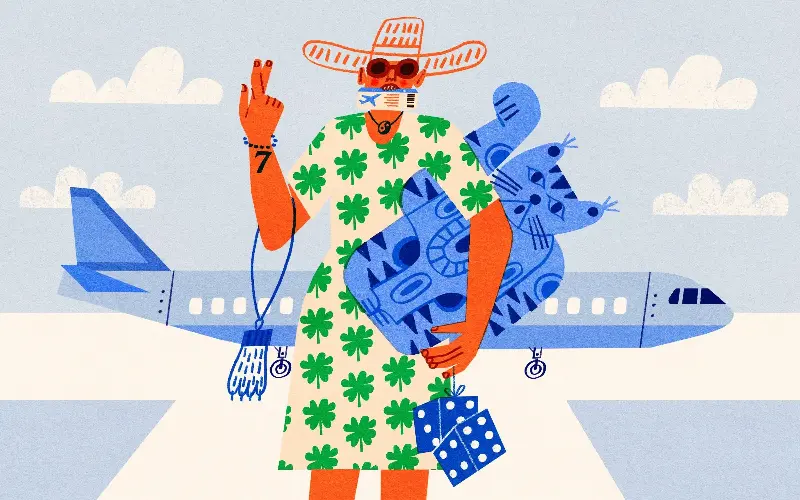
Think back to your last holiday: did you touch the plane “for luck” before boarding? Perhaps you tucked a St Christopher necklace into your shirt, or crossed your fingers against delays? If so, you’re not alone: there are countless travel-related superstitions around the world.
Summoning luck
Most people turn to superstitions when they’re lacking control, says Eloise Skinner, a psychotherapist – which is why they’re so common when travelling. “While we can make plans, many elements [of travel] are subject to external forces. We might also feel anxiety, for example when flying, and superstitions can help us feel more secure. We might make associations between our actions and the outcomes of uncontrollable circumstances, like wearing a ‘lucky’ item.”
“On my last flight, someone from Central Asia told me that clapping on landing was lucky,” says Andrew Harrison-Chinn, chief marketing officer at travel rewards platform Dragonpass.
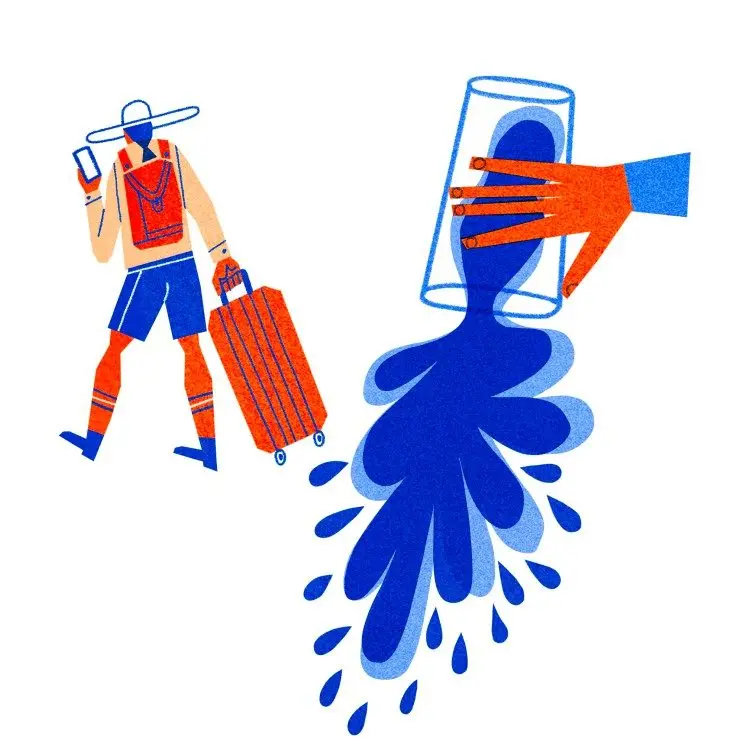
“In Turkey, water is poured behind the traveller,” says Istanbul-based Abdur Rehman, founder of local tour operator Turkey Travel HQ. “When someone leaves on a trip, families pour a bowl of water on the ground behind them. The saying is “su gibi git, su gibi gel”: go smoothly like water and come back just as quickly.”
Swerving numbers 13 and four
In China, where the number four is associated with death, you might find your hotel floor is labelled “3A” instead, or that there’s no fourth row on your aircraft.
In Vegas, where good fortune is paramount, most high-rise hotels rename the 13th storey (or repurpose it as a maintenance floor), as well as those numbered in the 40s, out of respect for the Asian superstition.
Spain, too, has triskaidekaphobia – but Tuesday 13 is the deadly date, not Friday 13. “Every driver pickup and villa check-in we schedule tries to dodge Tuesday 13th – martes trece,” says Madrid-based Simon Grannville, founder of rental service Nero Line. “I’ve even had a client move an airport transfer to avoid it. It’s from the old line “en martes, ni te cases, ni te embarques, ni de tu casa te apartes”: never marry, travel or leave home on a Tuesday.”
No rabbits or bananas on board
Even the most ardent globetrotters aren’t immune to a little good-luck lore. “Mariners are famously superstitious, with a long history of traditions that still shape life on ferries and cruises today,” says Abby Penlington, director of the Discover Ferries association.
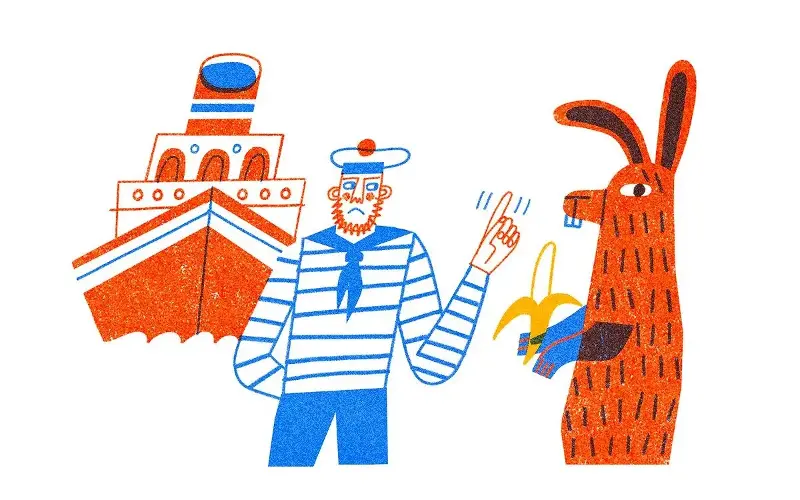
“For instance, while most pets are welcomed on board, you won’t find any rabbits on French-crewed vessels, such as those operated by Brittany Ferries. This is a relic of Breton folklore where rabbits were feared for chewing through wooden hulls, even though our ships are now built of steel.”
On your next cruise, look carefully at the breakfast buffet: do you see any bananas? Probably not. “Absolutely no bananas on board,” says Mike Pickering, an experienced sailor and business development specialist at sailing trip specialist SailTies Adventures. “It dates back to the days of Spanish cargo ships, when bananas were blamed for everything from spoilt cargo to venomous snakes hiding among the fruit. I know it’s ridiculous, but why tempt fate?”
Shamrocks and 888 in the sky
You might assume that airline pilots are as wary as mariners. But not so. “I had no superstitions or rituals when flying, no lucky talisman or rabbit’s foot in my briefcase, and I believe that was true for most pilots,” says retired British Airways pilot Alasdair Sutherland. Aviators might be born sceptics, but their passengers certainly aren’t.
Rumour has it that pilots avoid pointing at storm clouds, for fear of bringing them closer. But that’s poppycock, says Sutherland. “Most pilots are too level-headed to believe that pointing at a cloud could alter its speed or position relative to a jet aircraft.”
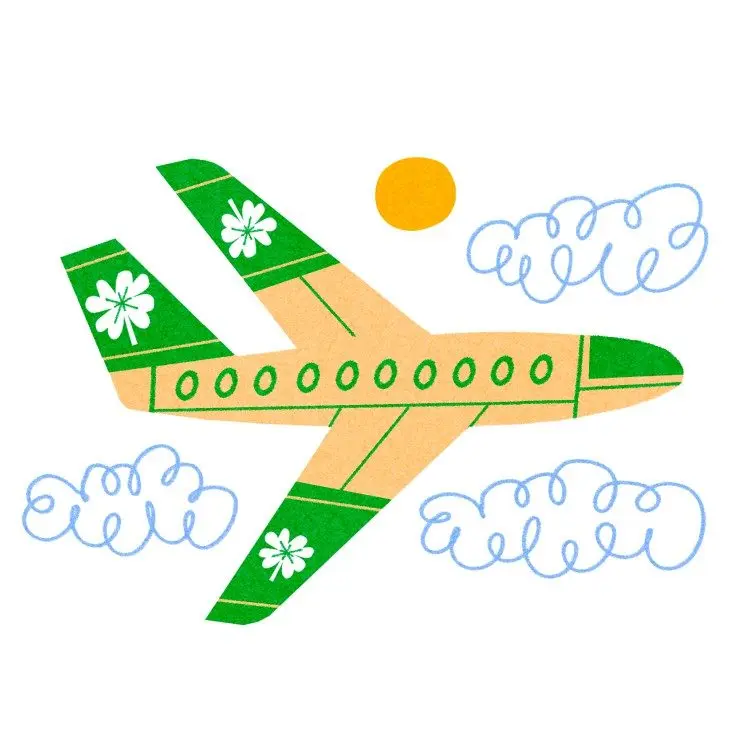
Still, some airlines perhaps try to tempt good fortune behind the scenes. Aer Lingus’s call sign – the name its aircraft use to identify themselves on the radio – is “shamrock”, an Irish symbol of faith, protection and luck, while Shenzhen Airlines’ daily Heathrow–Shenzhen flight is numbered 888, the most auspicious number in East Asian cultures.
Warding off ghosts and spirits
In some tourist attractions, superstitions feel more necessary than frivolous. “I never lead a haunted history walk without a rabbit’s foot pinned to my jacket and a tiger’s eye ring for protection,” says Marc Tuckey, founder of Isle of Wight Ghost Experience.
Meanwhile in Cambridge, the staff of David Parr House always say “hello” when they open up – usually with a “you-hoo” or “coo-ee”. “You never want to go barging in and have a ghost appear,” says visitor experience manager Jenny Barnish.
At The Real Mary King’s Close, a warren of 17th-century streets under Edinburgh, even the King wasn’t immune from superstition when he visited one of its most infamous corners many years ago.
“Apparently, his sniffer dogs went around and everything was fine, except they refused to go into one room. He, too, refused to go in,” says an insider. “Ever since, some guides deliver that part of the tour from outside the room.”
From Roman soldiers to weeping nuns, Chester also has its fair share of spooks. Courtney-Amanda Cain, a Chester Ghost Tours guide, always reaches for her St Christopher necklace before heading to work, while independent guide David Atkinson uses politeness to keep him safe. “I always wave goodbye to Sarah,” he says. “Tours visit the site of a failed exorcism: [the woman’s spirit] is said to still cling to the building. Someone once told me, ‘She watches you as you stand there,’ so I always pay my respects.”
Perhaps superstitions are like buying travel insurance: it’s always best to err on the safe side, whether that’s touching the ground before boarding or waving goodbye to a ghost. Skinner agrees: “If a superstition feels comforting, but we’re still able to deal with circumstances as they arise, it can be harmless or even supportive.”
After all, holidays ask us to surrender control. Flights are delayed, weather changes, luggage goes astray and conditions are unpredictable, no matter how many times you’ve made that journey – or climbed that mountain – before.