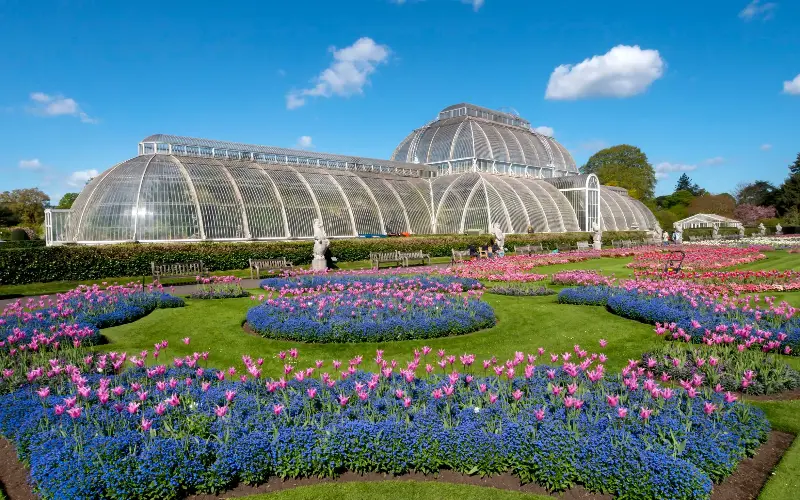
Kew Gardens is poised to cut up to 90 jobs after a rapid expansion left it vulnerable to a heatwave-induced downturn in visitors.
The tourist hotspot in west London, founded in 1759 and now a Unesco World Heritage Site, said on Friday it planned to cut operating costs by 10pc to salvage its finances.
Visitor numbers fell sharply during the summer, dropping from 5,800 per day when temperatures were 27C to just 2,800 when the thermometer hit 38C, figures show.
The extreme heat also forced parts of its historic glasshouses to close, while school visits were cancelled, depriving the gardens of income.
The cuts come after a rise in spending at Kew in recent years, with the average number of full-time staff rising almost 50pc over the past seven years to 1,312 full-time employees.
That has led to a near doubling of the wage bill over the same period, from £35.5m to £67.3m, with staff now accounting for roughly half of Kew’s costs.
Richard Deverell, Kew’s director, denied the problems were linked to an overexpansion and instead pointed to climate change.
Mr Deverell, who has been director since 2012, said the ballooning staffing numbers largely reflected temporary jobs funded through research grants and donations rather than permanent additions to the gardens’ operating costs.
He said around 900 employees were supported by Kew’s core operating budget, with a further 400 to 500 working on externally funded projects.
The chief said that increasingly frequent heatwaves threatened to undermine Kew’s finances by discouraging visitors during what has traditionally been its busiest season.
However, he acknowledged that climate change was only one of several pressures facing the attraction, alongside higher energy bills, National Insurance contributions, minimum wages and weak consumer confidence.
He said: “There are many factors buffeting Kew’s financial health. One of which is extreme heat.”
Kew’s latest accounts show that expenditure rose to £128m in the year to March, up from £118m the previous year, while income increased to £145m.
However, Mr Deverell argued that differences in the timing of funding for major projects distorted the accounts.
He said Kew had balanced its core operating budget each year for the past decade.
Mr Deverell said the savings would also help Kew double its contingency funding and establish an investment fund to support future income growth.
He said: “The 10pc cost reduction isn’t just about solving the problems we had this year. It’s trying to reset our finances more fundamentally to build much longer-term financial resilience.”
by The TelegraphThis article is provided by the above content partner, authorized for use, and represents solely the author's personal opinions. Please contact us in the event of any potential infringement.