



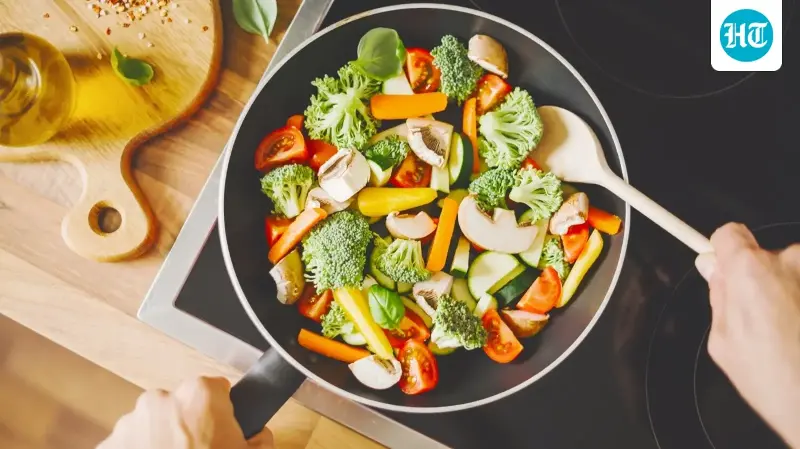
Overcooking is a common problem when preparing vegetables. You want to cook them well without turning them into a soggy, limp mess. Otherwise, a plate of vibrant veggies can become unappetising, even with the best of seasonings or a flavourful curry. This means you need to get the basics right, from choosing the right cooking method to knowing when to take them off the heat.
ALSO READ: Are you cooking eggs the wrong way? Endocrinologist reveals the biggest mistake people make
We asked a culinary expert for tips to make cooking vegetables easier. Most cooking advice often focuses on advanced techniques; the basics can get overlooked. Chef Ranveer Singh, a chef specialising in Indian and tandoor cuisine, shared simple tips to help you cook vegetables to the right texture without overdoing them.
He said, “It's not necessary to cook vegetables until they are soft and lifeless. You should aim for those to be tender on the inside, a little bit crunchy and still tasty. However, it’s easy to forget the vegetables on the heat for just a couple of minutes more and end up with soggy broccoli, mushy asparagus, or limp beans. The trick to successful cooking of vegetables is knowing not only when to stop but also how to cook them.”
Here are some of his hacks:
1. Stop cooking by texture, not just by time
- Cooking times vary depending on the vegetable and the equipment used, so don't treat cookbook timings of cooking veggies for five to ten minutes as the standard.
- Start checking the vegetables early to avoid overcooking.
- A fork or knife should pierce a well-cooked vegetable easily, but it should also retain some firmness.
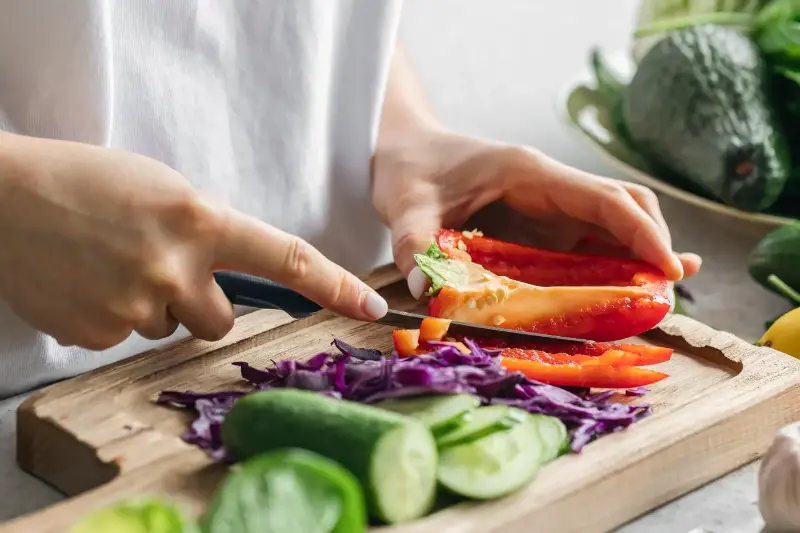
2. Cut vegetables uniformly
- Cut vegetables into similar-sized pieces so they cook evenly. If a carrot is cut half the size of another carrot, the smaller piece may be cooked properly while the bigger piece may still remain hard.
- Smaller pieces cook faster; larger ones may remain hard.
- Uniform cuts help prevent some pieces from being overcooked and others remain underdone.
3. Blanch, then shock
- Blanching vegetables, including beans, peas, and broccoli, delivers a bright look with a fresh texture.
- After boiling the vegetables for a short period of time, throw them immediately into ice water so that the cooking process stops immediately.
- This retains the crunchiness of the vegetables by stopping the cooking process instead of cooking them with heat after boiling.
4. Don't boil vegetables into submission
- Prolonged boiling can diminish the flavor, color and firmness of vegetables.
- Instead of letting them cook for a long time until soft, boil them just until they become tender.
- The vegetables should retain their own taste instead of tasting like something that has been boiled for thirty minutes.
5. Use less water when appropriate
- Using more water does not necessarily mean better cooking.
- When boiling vegetables, use just enough water to cover them rather than filling the pot unnecessarily.
- Consider steaming vegetables that do not need to be fully submerged in water.
6. Try steaming
- Steaming vegetables is perhaps the easiest way to prepare them without soaking them in water.
- The process of steaming helps vegetables to maintain their original consistency and taste.
- Broccoli, carrots, cauliflower, and green beans can be steamed perfectly so that vegetables can become soft but still be firm.
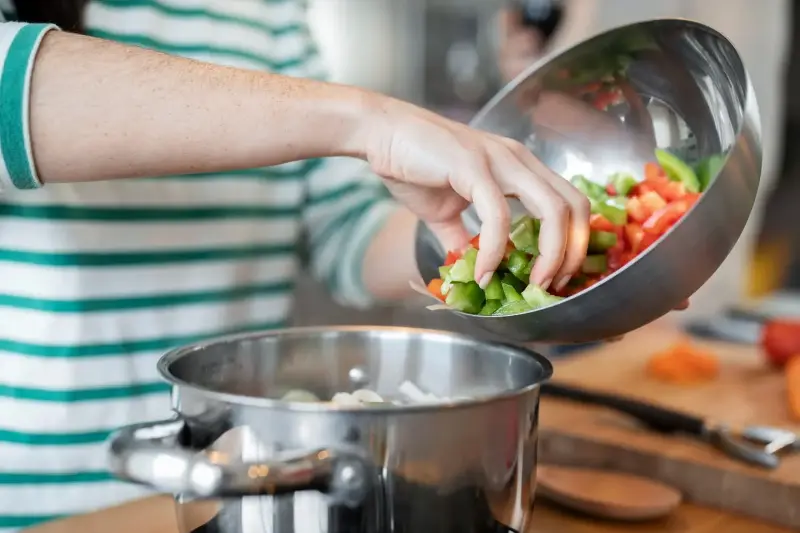
7. Get your pan properly hot before sautéing
- Adding vegetables to a cold or just-warm pan will produce moisture from the vegetables, which will soften them.
- Start with a hot pan, add the oil first, and then the vegetables.
- A hot pan makes cooking fast and browning light while preventing the loss of crunchiness in vegetables.
So, cooking vegetables well comes down to getting a few basics right. The chef's advice highlighted that it is important to watch for texture while cooking. With these expert-recommended tips, you cook vegetables better, and they taste better too, as all their flavours are intact.