




From smoky eyes and sharp cat-eye wings to glittery cut creases and softly smudged kohl, eye makeup can transform your look. But behind the blending and precision, hygiene is important for your eye health. Many eye makeup habits can actually increase the risk of irritation and infections.
ALSO READ: Eye injury first aid: Doctor shares steps to take if dust gets in your eye or a ball hits it
Dr Janhvi Mehta, consultant in opthalmology at Jaslok Hospital and Research Centre Mumbai, highlighted common eye makeup mistakes and shared ways to make your routine safer.
She described the potential risks: “Eye makeup can enhance your appearance, but incorrect use or poor hygiene can increase the risk of eye irritation, infections, allergies, and even damage to the delicate structures of the eye.”
Here are some common mistakes she flagged that you need to avoid:
1. Using expired eye makeup products
- Mascara, eyeliner, and eyeshadows can become breeding grounds for bacteria over time.
- Using old products may lead to conjunctivitis, eyelid infections, or inflammation.
- Mascara should ideally be replaced every three months, while eyeliners and eyeshadows should be changed regularly according to their condition.
2. Sharing eye makeup
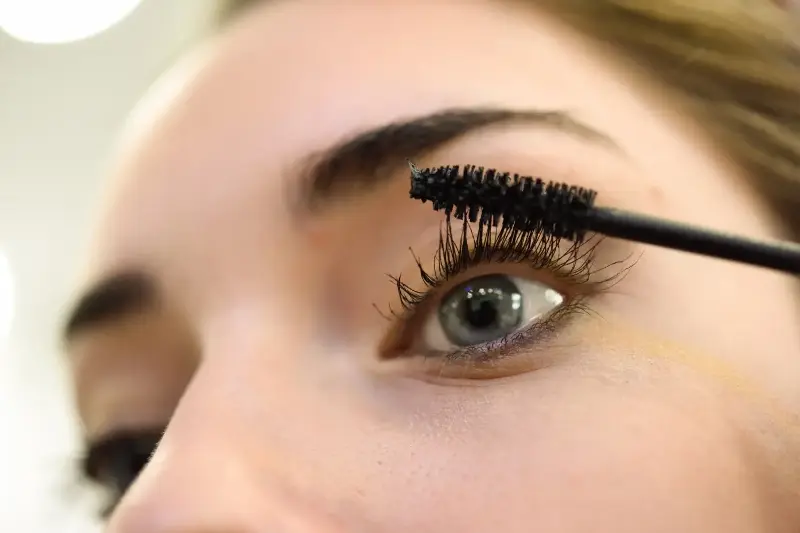
- Sharing mascara, eyeliner, or brushes can transfer bacteria and viruses between people.
- Even a single use of someone else’s eye product can increase the risk of infections.
3. Applying eyeliner on the inner eyeline
- Tightlining or applying kajal on the inner rim of the eyelid can block the openings of the meibomian glands, which produce the oily layer of tears.
- This may worsen dry eye symptoms, irritation, and fluctuating vision, especially in people prone to dry eyes.
4. Sleeping with eye makeup on
- Leaving makeup overnight can clog eyelid glands, irritate the eye surface, and increase the risk of blepharitis (eyelid inflammation).
- Always remove eye makeup gently before sleeping.
5. Applying makeup too close to the eye surface
- Loose glitter, pigments, or poorly formulated products can enter the eye and cause scratches on the cornea or allergic reactions.
- Avoid products that shed particles easily, especially near the lash line.
6. Using dirty brushes and applicators
- Makeup brushes collect oil, dead skin cells, and bacteria.
- Clean brushes regularly and allow them to dry completely before use.
7. Using waterproof makeup excessively
- Waterproof mascara and liners require stronger makeup removers and more rubbing during removal.
- They can irritate the eyelids and contribute to lash breakage.
Finally, the expert warned that redness, itching, swelling, burning or excessive watering after applying makeup should not be ignored. Stop using the suspected product and see a doctor if symptoms persist. She also recommended choosing ophthalmologically tested products. As a rule of thumb, never use products past their expiry date, avoid applying makeup when you have an eye infection, and always remove makeup gently with a clean makeup remover.
Note to readers: This article is for informational purposes only and not a substitute for professional medical advice. Always seek the advice of your doctor with any questions about a medical condition.