


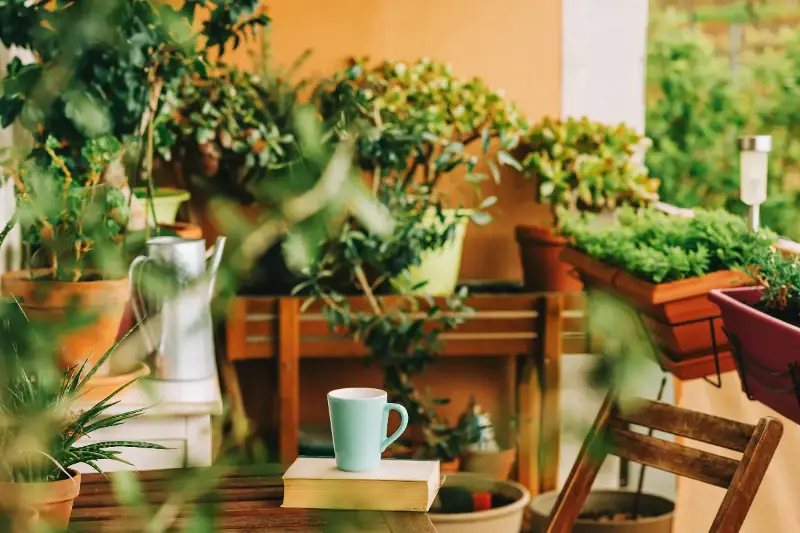
A tiny balcony can become far more than a place to store a chair or dry laundry. With thoughtful planning, even a narrow ledge can turn into a calming green retreat filled with herbs, flowers, fragrance, and fresh food. The secret is to work with your space rather than against it.
Before buying anything, spend a day observing your balcony. Note how many hours of direct sun it receives and whether it is exposed to strong winds. This simple check will prevent the most common mistake: placing sun-loving plants in the shade or delicate plants in a windy corner.
Start With Light and Weather
Sunlight and wind dictate which plants will thrive on your balcony:
- South-Facing (6+ hours sun): Ideal for tomatoes, peppers, basil, lavender, rosemary, strawberries, and petunias.
- East-Facing (Morning sun): Excellent for leafy greens, parsley, mint, chives, begonias, and fuchsias.
- West-Facing (Warm afternoon sun): Best for heat-tolerant plants such as geraniums, thyme, sage, marigolds, and dwarf citrus.
- North-Facing (Shade & indirect light): Ferns, hostas, ivy, heucheras, impatiens, and shade-tolerant salad leaves flourish here.
Wind Protection: High balconies can be breezy, drying out soil quickly. Use heavier pots, secure planters with brackets, and choose compact varieties. A bamboo screen or trellis helps reduce wind while adding instant privacy.
Use Vertical Space Creatively
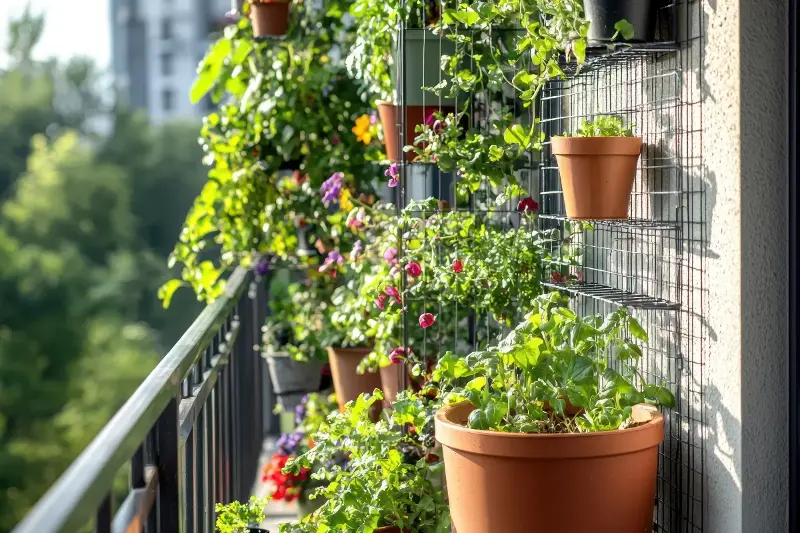
When floor space is limited, look up. Walls, railings, and ceilings offer valuable planting opportunities without making your balcony feel crowded.
- Vertical Trellises: Support climbing jasmine, clematis, sweet peas, or compact climbing beans to create a lush, living privacy screen.
- Railing Planters: Securely fasten planters for trailing flowers and edible plants like nasturtiums, lobelia, thyme, and strawberries.
- Hanging Baskets: Keep the floor clear while adding eye-level greenery with ivy, spider plants, or calibrachoa.
- Tiered Plant Stands: Use a slim ladder shelf to stack multiple pots in the footprint of one single container.
Choose Containers That Help Plants Thrive
Good drainage is essential. Without drainage holes, excess water collects around roots and causes rot.
- Lightweight Materials: Plastic and fiberglass pots are practical for balconies because they are easy to move and place less strain on floor weight limits.
- Terracotta & Glazed Ceramic: Terracotta looks beautiful and allows roots to breathe but dries out fast. Glazed ceramic holds moisture well but can be heavy.
- Container Size: Use the largest container your space permits. Larger pots contain more soil, which stays moist longer and gives roots room to grow.
Always fill containers with a quality potting mix rather than heavy garden soil. Potting mix is lightweight, drains efficiently, and is specifically formulated for container roots.
Grow Food, Fragrance, and Color
Mix edible crops with flowering plants to create a garden that is both beautiful and useful:
- Easy Herbs: Keep mint in its own pot to prevent it from spreading. Basil loves warmth, while rosemary, sage, and thyme prefer sunny, drier conditions.
- Compact Produce: Alpine strawberries, compact blueberries, dwarf tomatoes, and mini peppers thrive in small pots.
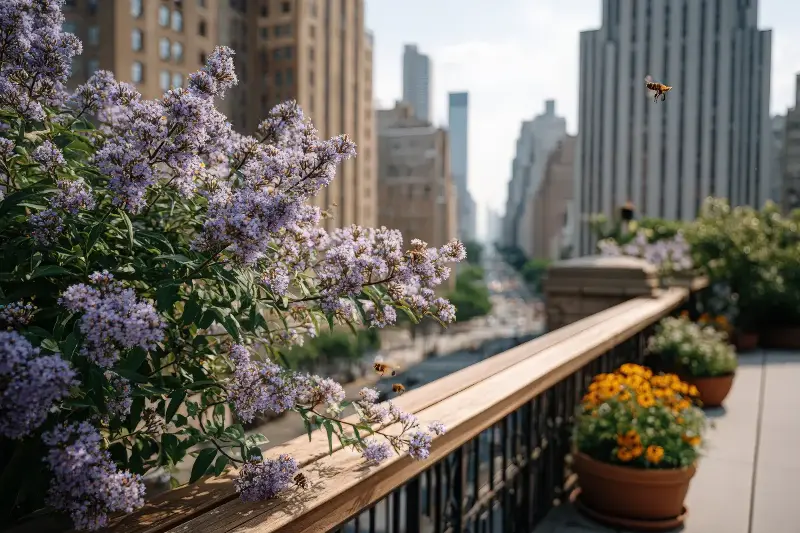
- Pollinator-Friendly Blooms: Include lavender, calendula, borage, and single-flowered dahlias to attract visiting bees and butterflies.
Make Watering Simple and Consistent
Container plants depend entirely on you for moisture. Check the soil daily by pushing a finger two centimeters below the surface—if it feels dry, water thoroughly until it drains from the bottom.
To simplify care:
- Water Early: Irrigate in the morning so plants can absorb moisture before the midday heat.
- Add Mulch: A top layer of fine bark or coconut coir reduces water evaporation.
- Create Microclimates: Group pots together to increase humidity and slow down moisture loss.
Within a few weeks, a bare balcony can become a personal green escape: a place for morning tea, fresh leaves for dinner, and a daily reminder that nature can thrive almost anywhere.