



Advanced driver assistance systems, commonly known as ADAS, are becoming one of the most vital safety developments in modern motoring. These technologies do not replace the person behind the wheel; rather, they serve as a dynamic safety partner—detecting danger, warning the driver, and intervening within fractions of a second to prevent collisions and save lives.
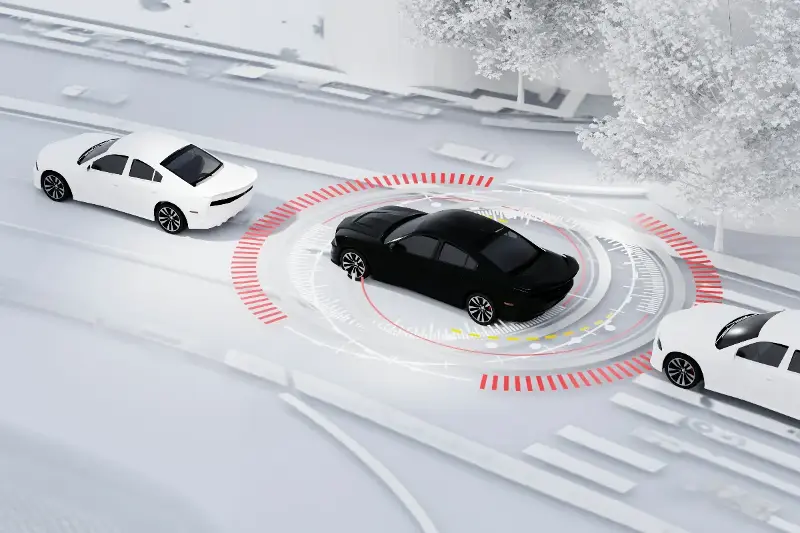
The core concept is straightforward: vehicles are equipped with an array of cameras, radar sensors, ultrasonic sensors, and lidar. These components continuously monitor the road, nearby vehicles, lane markings, and pedestrians. While a human driver can become distracted, tired, or temporarily blinded by glare, a properly functioning sensor maintains uninterrupted focus.
Safety Systems Working Behind the Scenes
Modern vehicles rely on several key ADAS features to protect occupants and pedestrians:
- Automatic Emergency Braking (AEB): Uses cameras and radar to identify potential front collisions. If the driver fails to react quickly, the system applies the brakes automatically. At lower speeds, this avoids crashes altogether; at higher speeds, it significantly reduces impact force.
- Lane Departure Warning & Assistance: A forward-facing camera monitors road markings. If the vehicle drifts without a turn signal, it provides visual, audible, or tactile alerts. Lane-keeping assistance goes a step further by applying gentle steering inputs to guide the vehicle back into position.
- Blind-Spot Monitoring: Small radar sensors track vehicles traveling in adjacent lanes. If a driver signals to move into an occupied lane, the system flashes warning lights, sounds an alert, or gently resists unsafe steering movements.
Research from the Insurance Institute for Highway Safety shows that front crash prevention systems can reduce rear-end crashes by approximately 50 percent, demonstrating the massive practical value of front collision warnings paired with automatic braking.
From Parking Lots to Motorways
ADAS benefits extend far beyond high-speed highway emergencies, streamlining everyday maneuvers in crowded areas:
- Rear Cross-Traffic Alert: Warns drivers reversing out of parking spaces when another vehicle, cyclist, or pedestrian approaches from the side—especially helpful when large vehicles block the view.
- Parking Sensors & Surround-View Cameras: Reduce stress in tight spaces, with some advanced vehicles able to steer themselves into parallel or perpendicular spots safely.
- Adaptive Cruise Control (ACC): Automatically adjusts speed on long journeys to maintain a pre-selected gap from the vehicle ahead, even handling stop-and-go traffic smoothly.
- Driver Monitoring Systems: Use interior cameras or steering behavior data to detect signs of fatigue, issuing clear alerts if the driver looks away from the road for too long.
Why Human Attention Still Matters
Despite their impressive capabilities, ADAS features have clear environmental and technical limits:
- Weather Interference: Cameras struggle in heavy rain, fog, snow, or direct sunlight.
- Infrastructure Variations: Faded lane markings or complex construction zones can confuse visual sensors.
- Sensor Obstructions: Mud, ice, or physical damage on sensor covers can reduce detection accuracy.
Because of these factors, drivers must view ADAS as a support system rather than an autonomous driver. Adaptive cruise control, lane assistance, and automatic braking cannot replace active human awareness. Drivers should review their vehicle handbooks, learn specific manufacturer alerts, and routinely clean external cameras and sensors.

A Safer Future on Everyday Roads
ADAS technology is steadily expanding from premium luxury models into accessible, affordable family cars. Key safety functions are increasingly included as standard equipment, ensuring that protection reaches commuters, families, and new drivers alike.
Advanced developments in sensor fusion—combining camera, radar, and lidar data into a unified environmental map—allow vehicles to make smarter, faster decisions. Safe driving habits, proper belt usage, and full road attention remain indispensable. Yet, when unexpected hazards arise, ADAS provides the vital split-second response that turns a potential crisis into a safe arrival.