


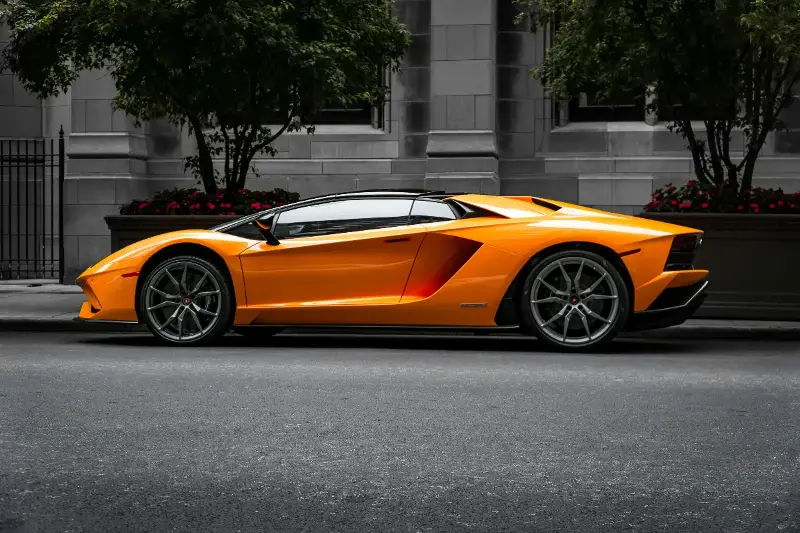
For drivers who view a car as far more than everyday transport, the world’s fastest and most expensive supercars offer an unforgettable fusion of engineering, art, and pure excitement. Built in tiny numbers—often entirely by hand—these machines combine breathtaking acceleration with prices that rival luxury yachts and private jets.
The appeal goes far beyond top speed alone. It lies in the drama of a hand-finished interior, the roar of a multi-cylinder engine, the instant force of electric motors, and the knowledge that only a handful of people will ever own the same model. From record-breaking hypercars to ultra-exclusive coachbuilt masterpieces, these vehicles represent the ultimate peak of automotive luxury.
The Price of Ultimate Exclusivity
At the highest tier of automotive craftsmanship, buyers are not simply purchasing performance—they are commissioning rolling works of art. Custom paint colors, bespoke interior materials, and individualized details ensure that every car is completely unique:
- Rolls-Royce Boat Tail: Estimated at around $28 million, only three examples were created. Inspired by classic 1930s and 1940s touring yachts, its rear deck opens into a bespoke outdoor hosting suite complete with custom tableware and a parasol.
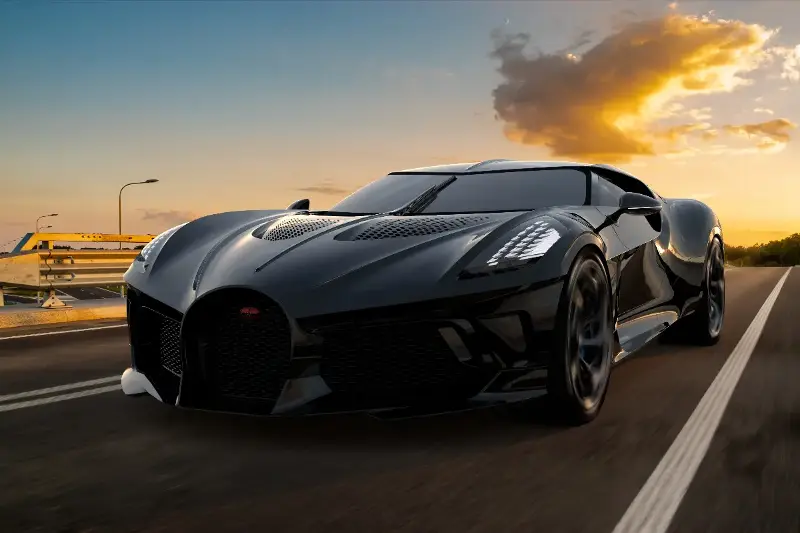
- Bugatti La Voiture Noire: A one-off tribute to the historic Bugatti Type 57 SC Atlantic, this model sold for roughly $19 million. Powered by an 8.0-liter quad-turbocharged W16 engine producing 1,479 horsepower, it features a sleek carbon-fiber body and six distinctive exhaust outlets.
Speed That Challenges Reality
When it comes to sheer velocity, modern hypercar engineering has pushed boundaries into once-unimaginable territory:
- Bugatti Chiron Super Sport 300+: Became a legend after a development prototype reached a staggering 304.773 mph (490.484 km/h) in 2019, breaking the historic 300 mph barrier. Production customer models, limited to 30 units, deliver 1,578 horsepower with extended bodywork designed for high-speed stability.
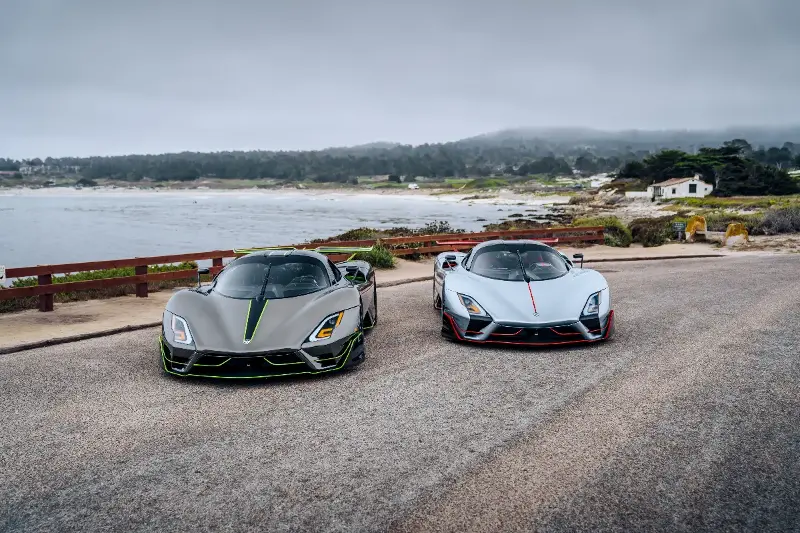
- SSC Tuatara: An American hypercar powered by a 5.9-liter twin-turbo V8 producing up to 1,750 horsepower. In 2021, it recorded an independently verified two-way average speed of 282.9 mph (455.3 km/h) on a closed road, helped by an exceptionally low drag coefficient of 0.279.
Electric Power Joins the Race
Electric hypercars have introduced a thrilling new dimension to high performance by delivering massive torque instantly without needing engine revs to build momentum:
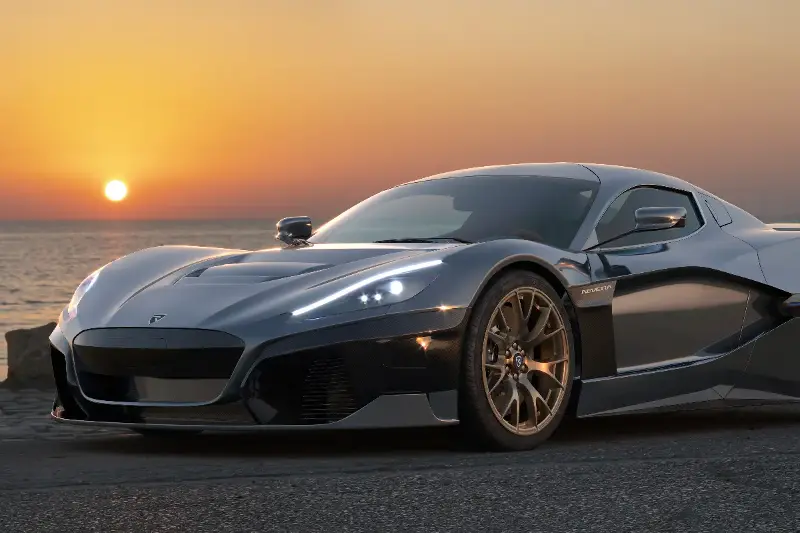
- Rimac Nevera: Features four independent electric motors generating a combined 1,914 horsepower, launching it from 0 to 60 mph in a blinding 1.74 seconds.
- Record-Breaking Capability: The Nevera set more than 20 performance records in a single day, achieving a verified top speed of 256 mph (412 km/h).
- Smart Torque Vectoring: Advanced software manages power delivery to each individual wheel thousands of times per second, maintaining total composure under intense acceleration.
Engineering Beyond the Ordinary
Achieving ultra-high speeds requires advanced material science and aerodynamic precision to keep cars stable and safe:
- Carbon-Fiber Construction: Hypercars like the Koenigsegg Jesko and Pagani Huayra use lightweight carbon-fiber chassis to maximize strength while reducing weight for sharper handling.
- Active Aerodynamics: Wings and air flaps automatically adjust their angles during high-speed runs or heavy braking to maximize downforce and air cooling.
- Carbon-Ceramic Brakes: Designed to withstand extreme heat and resist fade, stopping hypercars safely from triple-digit speeds.
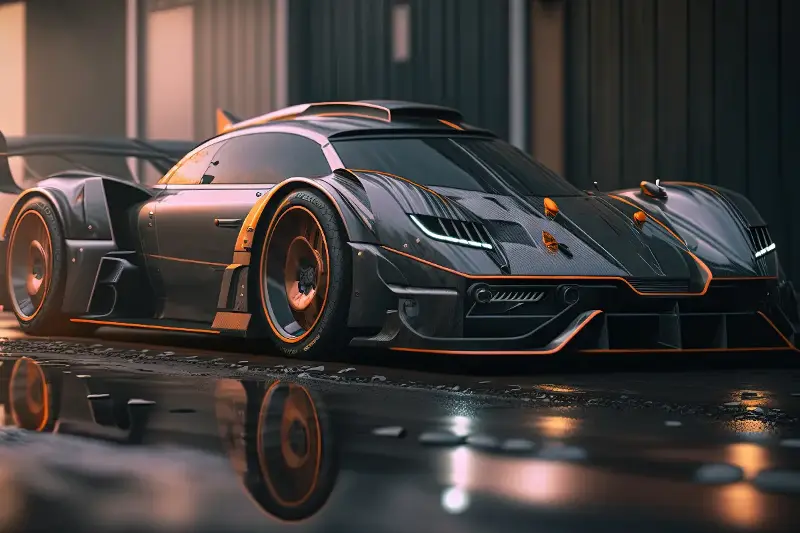
More Than Numbers on a Dashboard
The true value of a hypercar lies in the emotional experience it creates—the sight of sculpted carbon fiber, the tactile feel of custom materials, and the sheer thrill of driving. Beyond their rarity, these extreme machines serve as high-tech testbeds, pioneering advances in aerodynamics, lightweight materials, and electric drive technology that will shape the everyday cars of tomorrow.