



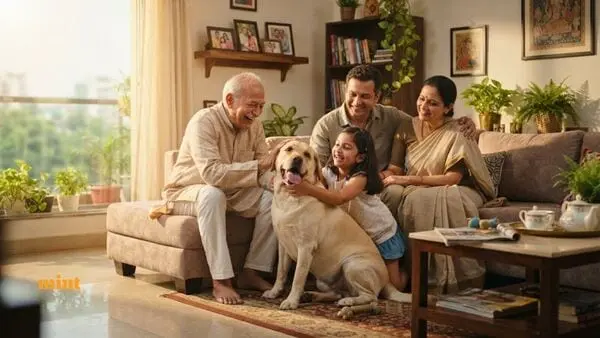
Keeping a pet is becoming a major household expense in urban India. Premium food, regular grooming and medical care can together cost thousands every month. For some families, yearly spending can match or exceed a child’s private school tuition.
The biggest expense often comes after adoption or purchase. Owners must budget for food, grooming, vaccinations, medicines and unexpected treatment. Accessories, specialised services and insurance can push the total higher.
Monthly maintenance estimates vary widely according to a dog’s size and care needs. Small breeds, including Pomeranians and Shih Tzus, can cost between ₹4,000 and ₹8,000. For medium breeds, such as Beagles, monthly expenses range from ₹6,000 to ₹10,000.
Large breeds, including Labradors and Golden Retrievers, can require ₹8,000 to ₹14,000 monthly. Giant breeds, such as Great Danes, can cost ₹12,000 to ₹20,000 each month. Food consumption, grooming needs and health supplements contribute to these differences. At the upper end, yearly maintenance can reach ₹2.4 lakh.
Such spending can rival school tuition in many smaller cities and standard urban private schools. Over a pet’s lifespan, these recurring expenses become a substantial financial commitment.
Cost of food
Food is one major reason for rising bills. Owners increasingly buy imported products, organic treats and special diets. Grain-free options, special proteins and freshly cooked subscription meals can cost thousands each month.
For giant breeds, food alone can cost ₹6,000 to ₹10,000 monthly. This can bring their feeding expenses close to a household’s basic grocery spending. Special diets and premium ingredients add further pressure to monthly budgets.
Health and grooming
Professional grooming adds another regular expense, especially for breeds that require frequent coat care. Small-breed salon sessions can cost between ₹1,500 and ₹3,000. Services include medicated baths, hair removal treatments, nail styling and spa packages.
Veterinary expenses also extend beyond occasional visits. Vaccinations, deworming, parasite protection and emergency treatment all add to the total. Pet insurance creates another recurring expense through annual premiums.
Why people are spending more on pets
Changing family lifestyles are also shaping this market. Pets increasingly provide companionship in nuclear families and households with people living alone. Busy careers and long working hours can leave owners feeling guilty about absent time.
Some respond by spending more on their animals. Brands offer designer raincoats, special beds, anxiety-relief products and expensive treats. Marketing presents many pet products much like premium goods made for people.
How to reduce expenses
However, controlling expenses does not necessarily mean reducing care. Owners can discuss balanced food choices with a veterinarian before choosing costly diets. Special food may be necessary for medical reasons while luxury additions can increase bills.
Learning basic grooming at home can also reduce salon spending. Regular brushing, bathing and nail care can help manage routine maintenance costs. Professional services may still be needed for particular grooming requirements.
Families considering adoption can also explore Indian native breeds, including Mudhol Hounds and Chippiparais. The wider message is to plan for continuing expenses before bringing a pet home.
Spending decisions should reflect the animal’s needs and the household’s budget. Time, attention, and regular care remain central to responsible pet ownership.
Disclosure: All cost estimates were obtained from Super Tails.