



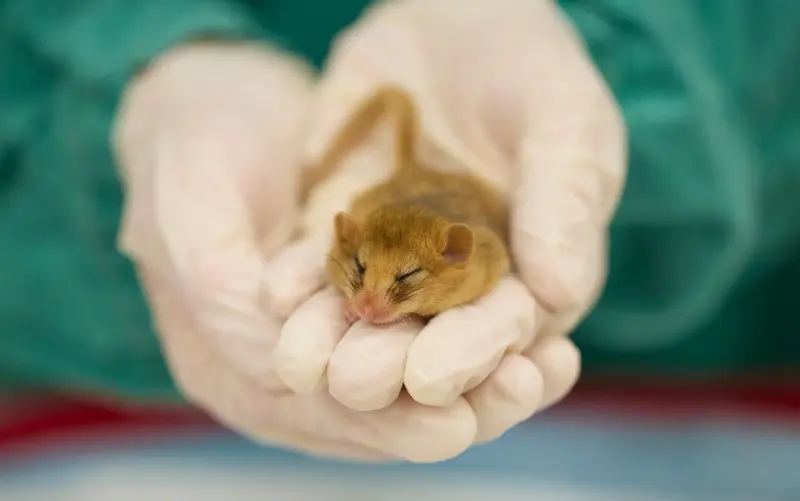
One of Britain’s rarest mammals is making a resurgence.
The hazel dormouse, which has been declared vulnerable to extinction in the UK, has seen a reversal in its fortunes since the Covid pandemic.
The dormouse population fell by 70 per cent across the country between 2000 and 2022. However, a new report from the People’s Trust for Endangered Species (PTES) has found that the number of dormice has started to grow again, increasing by almost 10 per cent between 2020 and last year.
The conservationists said there was reason for “cautious optimism” following an analysis of data collected from hundreds of sites across England and Wales.
Experts said the increase in dormouse numbers had coincided with hotter and drier springs and summers in recent years. Conditions like these can result in a better food supply, more foraging opportunities, and a boost to the breeding rate.
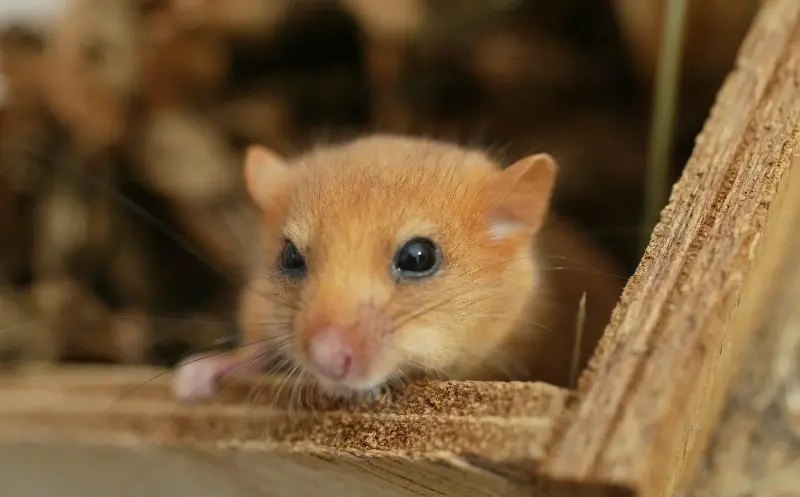
The tiny rodents, which have golden-brown fur, black eyes, and long tails almost the same length as their bodies, have suffered from the loss and degradation of their natural habitats – woodlands, scrubland and hedgerows – since the turn of the century.
Despite the recent increase in numbers, there has still been an overall decline of 59 per cent since the year 2000 – an average of 3.5 per cent per year.
Ian White, the dormouse officer at PTES, said there were “grounds for cautious optimism for dormice”, but warned: “We mustn’t lose sight of the bigger picture.
“This protected native species still faces significant challenges, and urgent, sustained conservation action is essential.
“Creating more wooded, species-rich habitat is critical, as is reconnecting the woodlands, scrub and hedgerows that dormice rely on, to give the species the best possible chance of long-term, sustained recovery.”
Mr White said it was likely there were populations of dormice in scrub alongside roadsides and railway lines, and that conservationists were working with Highways England and Network Rail to care for these habitats.
He said improving woodlands could also help to revive the declining numbers of woodland birds, bats and butterflies.
Higher temperatures and lower rainfall, linked to climate change, may have increased the availability of fruit and flowers that the dormice eat, boosting their food options and helping them to breed more successfully.
Mr White said it was possible that the drier weather last year had allowed dormice to breed earlier and more successfully, and then an “absolutely bumper crop of food production in the autumn”, including nuts and blackberries, helped more to survive through their winter hibernation.
Hazel dormice enter “torpor” – short periods when they slow their metabolism to save energy – more often when it is cold and wet.
The experts said that sites where this behaviour was more common had recorded fewer adult dormice and litters of young.
Despite the apparent benefits of a warmer climate for the dormice, conservationists warned that prolonged drought could reduce food availability before hibernation, while warmer winters could bring them out of hibernation and affect their ability to survive through to spring.