



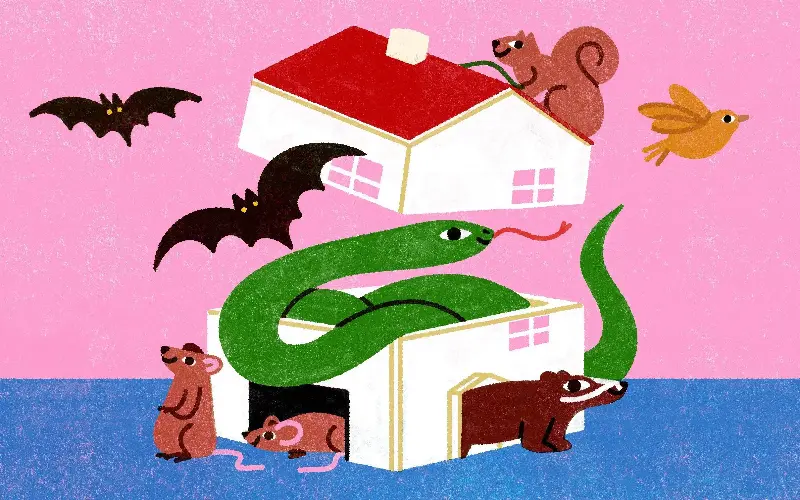
Buying a rambling old house to renovate can already be a minefield, with leaky roofs or dodgy electrics to contend with. But there’s another complication buyers often don’t bargain for: hidden wildlife.
Bats occupying roof space, dormice in hedgerows, great crested newts in ponds or burrowing badgers are just a few of the unexpected discoveries that can have major implications for refurbishments. With many species protected by UK law – including the Wildlife and Countryside Act 1981 and the Conservation of Habitats and Species Regulations 2017 – surveys, licences and adaptations are needed before planned works, proving both time-consuming and costly. Evade the rules and you could face hefty fines or even prosecution.
Former Top Gear presenter Richard Hammond encountered such a scenario after snapping up a £2m Georgian mansion near Abergavenny last year. Surveys conducted ahead of a proposed padel court and garage on the 21-acre estate identified several bat species, meaning he needs a specialist development licence to ensure the build does not harm his furry friends. “If I have to share it with the bats, I’ll find a way of sharing it with the bats,” Hammond told BBC Wales. “It could be a long project.”
Henry Longton, a building surveyor for Knight Frank who oversees historic country houses and renovations, says buyers are frequently stunned by what’s lurking in and around their new home. “You might think you’ve found the house of your dreams, but ecology factors can add difficulties and headaches that cause huge frustration and delays.”
From bats in the rafters to snakes in the grass, these are some of the wildlife finds that can derail a doer-upper – and what to do about them…
Bats
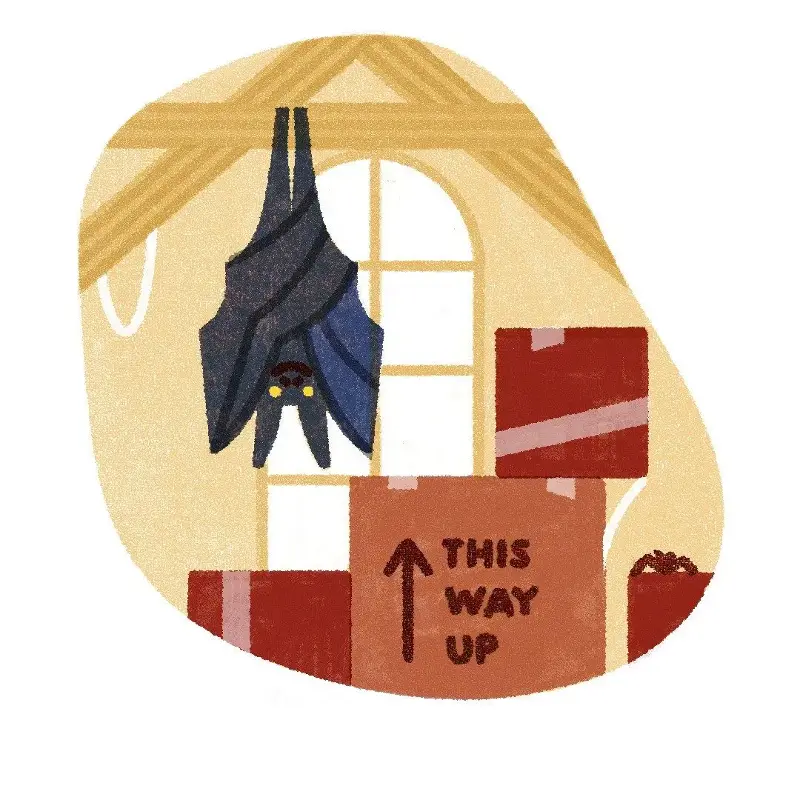
Contrary to popular belief, the UK’s 18 bat species can reside in almost any property. “They don’t just roost in old buildings,” says Danny Thomas, consultant ecologist and MD at Riverdale Ecology. “People assume a home built in the 1980s is too new, but 45 years is plenty of time for bats to have moved in.”
Despite their vampiric association, Thomas says bats should not be feared. “You might have them in your loft for years without ever knowing, and they cause no problems.” Due to what he calls a “staggering decline” in populations over the past 50 years, all species are rigorously protected. Legislation varies across the four UK nations, but if bats are suspected before renovations, the process to detect and prevent harm can be complicated.
An initial roost assessment by an ecologist typically costs up to £600, while follow-up surveys can add another £1,000. The ecologist may also need to monitor the property at dusk with bat detectors and night-vision cameras. “That’s when it becomes expensive, because it’s very man-hour heavy,” says Thomas, who spends most of his summer evenings on bat watch. Surveyor Longton agrees, saying: “Over many weeks, the monitoring can cost anything from £3,000 to £15,000.”
If bat sightings are confirmed, a mitigation plan is needed, which may mean delaying works to avoid sensitive breeding times. Alternative roosting spaces away from building activity may then be required. “A small bat box starts at about £35, but if you’re looking at a large, heated colony box, it could be over £500,” says Longton. On top of that, a Natural England government licence is needed for work that may disturb bats, with Longton estimating that plans and paperwork for the application cost up to £2,500.
He says clients are often despondent about the time and money spent on bats – especially as they are not evicted. But as Thomas points out: “The doctrine is always to protect the roost and keep it there. After all, bats do good work and eat up to 3,000 mosquitoes and gnats a night – meaning you can sit in the garden without being bitten.”
Great crested newts
Properties with ponds can present building hurdles, as they are often home to rare great crested newts (GCN). But as Longton says, they don’t only live in water. “We often look for them in long grass and in hiding areas like log piles,” he says. “But they’re completely harmless.”
Bodies of water within 250m of proposed works usually need investigation, but testing has fortunately been simplified in recent years. “We used to do six surveys using methods like bottle trapping,” says Thomas. “Now water samples are sent to a lab for DNA tests, which are 99.5 per cent accurate.” These cost up to £500, while larger-scale surveys, if GCN presence is detected, can cost over £3,000.
With the amphibians growing up to 17cm in size, any works likely to harm them or their habitats must be carried out under a Natural England licence. Here, an ecologist might devise a plan that includes timing works to avoid breeding periods, relocating newts or creating replacement habitats.
Alternatively, in areas covered by Natural England’s District Level Licensing scheme, site-by-site checks are replaced with financial contributions towards regional habitat creation, which avoids detailed surveys and on-site mitigation. Costs for all such measures vary according to location and project spec.
Grass snakes

The sight of a grass snake slithering across the lawn may spark panic, but they are harmless. They favour areas around ponds, grassland, woodland and compost heaps, and if suspected, reptile surveys by an ecologist and follow-up visits can cost between £2,000 and £4,000.
Mitigation measures for works that may impact them can involve gradually clearing vegetation to encourage the snakes into neighbouring habitats. But if that isn’t possible, they may have to be moved to an alternative site, with complex translocation programmes costing anything up to £15,000, depending on site size.
For homeowners keen to discourage any wriggly tenants from the garden, Longton recommends basic maintenance. “Keep your compost sealed in bins, and cut your lawns shorter.”
Dormice
Hazel dormice are also protected, and ecological surveys must be carried out if records suggest they may be present, or if development will affect their habitats – most commonly in woodland, hedgerows or scrub. These typically cost from £800 to £1,500, although more for larger or more complicated sites.
If dormice are found, building plans must be altered to retain their habitats or minimise damage, and disruptive works will also need a Natural England mitigation licence, costing £780. Timing can be tricky, with dormouse hibernation periods causing delays. “The surveys are done between May and October, so only half the calendar year,” says Thomas.
Not to be confused with hazel dormice is the larger glis glis – also called the edible dormouse, since the ancient Romans used to savour them. An invasive pest found mainly around the Chilterns, glis glis cause considerable damage in roof spaces. As they are protected, you’ll require a Natural England licence before they can be caught and killed humanely. The licence is free, with pest control typically costing around £200.
Squirrels
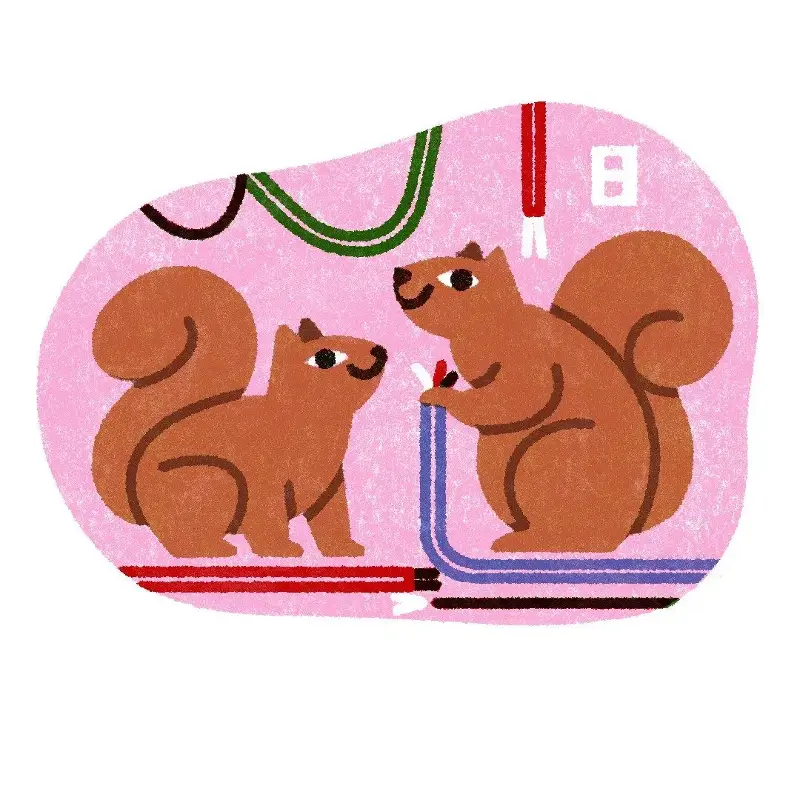
Squirrels can cause considerable damage to properties, particularly when they make their way into roofs and attics. “They cause loads of problems with chewing through electrical cables and pipework insulation,” says Longton. “I’ve got a project at the moment where they’ve gnawed through lead gutters, which they do to shorten their teeth. The damage they cause is really bad, and their droppings pose health risks too.”
He says the rule is simple: “Remove them, then squirrel-proof the space.” Professional removal from roofs, attics or eaves, followed by humane killing, typically costs from £150 to £350, although the subsequent bill for repairing nibbled wiring, insulation, timber or roofing can easily dwarf that.
Badgers
The Protection of Badgers Act 1992 means developments potentially interfering with badgers can be challenging. “If their sett is within 30m of where you want to build, it can be an issue,” says Thomas.
In such cases, an ecological survey costing around £850 is needed, while works that disturb or block access to their sett may also require Natural England licensing, likely to cost hundreds of pounds. Mitigation measures such as one-way gates and mesh fencing can push costs over £5,000, while monitoring to establish that the sett is clear can add around £2,000 more.
However, closing a sett should be avoided, and its loss may need to be compensated for with an artificial replacement – essentially a purpose-built underground structure – where costs can exceed £10,000. With bills mounting rapidly in such cases, Thomas says the best solution on smaller projects is to do nothing: “Just leave badgers alone if you can.”
Nesting birds
Even having sparrows, swallows or swifts in the roof can halt building plans. “All nesting birds are protected regardless of species,” says Thomas. “That protection runs from the moment a bird lays down its first stick until the chicks have left.”
This can affect anything from clearing trees to re-roofing, with basic nesting inspections costing up to £900. More extensive surveys involving repeat visits can run into the thousands. If an active nest is found, work around it must usually stop, with a buffer created around it until the chicks have fledged. Replacement nesting sites or boxes may also form part of longer-term mitigation.
But to avoid cost and delay, Longton suggests simply rescheduling projects outside the main nesting season, usually from March to August. “Shutting off that area for a few weeks or months is the sensible option.”