



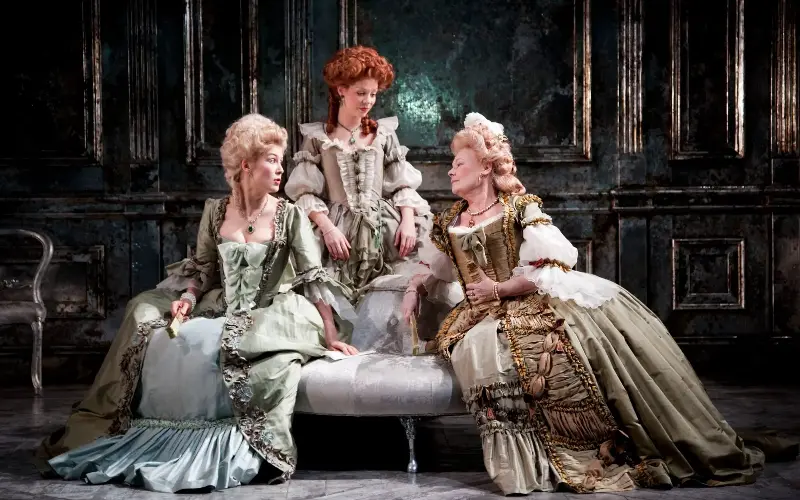
In March 2009, Judi Dench found herself unhappy. She was performing in the Japanese play Madame de Sade at Wyndham’s Theatre, in London, alongside Rosamund Pike and Frances Barber, as the Marquis de Sade’s outraged mother-in-law. Despite Barber’s attempt to cheer her with the joke gift of a double-ended sex toy – “two metres long and bendy” – she was miserable: she hated the play and, though she claimed not to read them, had been upset by bad reviews.
Dench perked up, though, when she learnt that old friends Ian McKellen and Patrick Stewart had chosen to share a single dressing room at the Haymarket Theatre next door. McKellen, already a gay icon, and Stewart, something of a heartthrob, were performing their landmark Waiting for Godot.
“That’s what made [Barber and me] start the rumours,” she recalls in her latest memoir, Is It Too Late to Make a Run for It?, a collection of transcribed interviews with her friend, the actor and director Brendan O’Hea. “First of all, we said they’d decided to buy a pied-à-terre off Marylebone High Street. That story took about a fortnight to travel back to us.” Then, Dench and Barber “put it out that… if one of them went out shopping the other felt lonely, so they’d bought a boxer puppy to keep the other person happy”.
The last rumour – and this one was “inspired by Madonna” – was that “Ian and Patrick had decided to adopt a baby from Malawi. That got back to us in two minutes.” Shortly afterwards, Dench fell over at the stage door, broke a toe and was reduced to performing the role with the aid of a walking stick. “Punishment, no doubt, for spreading lies about Ian and Patrick.”
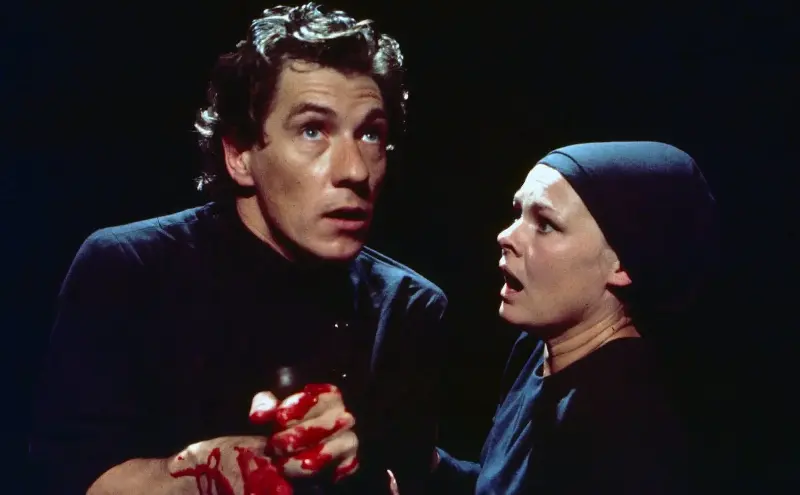
International audiences know and love Dame Judi for her performances in films such as Shakespeare In Love and as James Bond’s formidable boss, M. But ask any British thespian about her seven decades of work in theatre, and they will cite her fame as an inveterate trickster. The pranks, as we learn in Is It Too Late to Make a Run for It?, started young: a rat placed through a neighbour’s letter box. Fellow pupils who were tied surreptitiously to their chairs at school. Projectiles of dried peas that were fired at the queue of sickly patients waiting for Dench’s father outside his doctor’s surgery. Most involved practical jokes, although tall tales often featured, too.
It’s hard to ignore the vicious streak underlying some of these hijinks. In the 1974 musical The Good Companions, Dench and her co-star John Mills took a dislike to a cast member: “On a certain bar of music, we’d quickly grab our suitcases and swing them over our heads. John and I decided to put a couple of stage weights in this actor’s case.” At the crucial moment, the unnamed thespian made to swing his over-weighted suitcase and instead toppled over on stage. “He could have done himself an injury – ripped his arm out or thrown himself into the orchestra pit,” but Dench is largely unrepentant. “The thrill! Oh God, there’s nothing like it.”
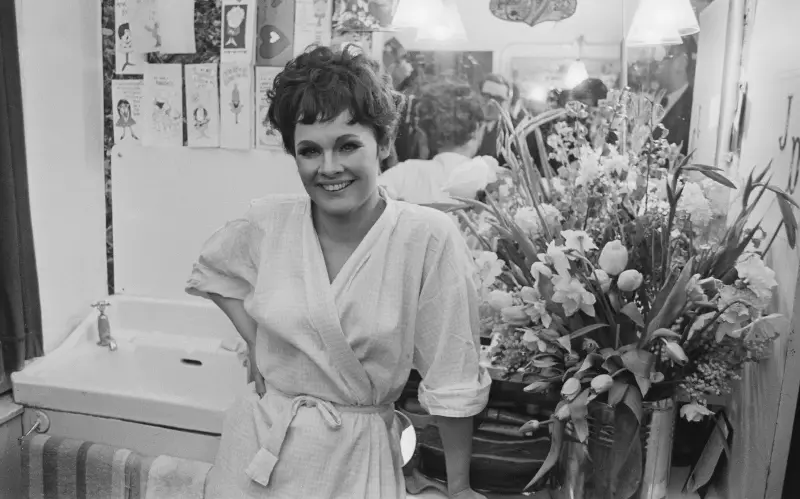
That Dench spent 30 years driving with just a provisional licence only reinforces this sense of a woman unrestrained by basic safety norms (she finally passed a test at the age of 50). At one point, she wrote to a judge to excuse the lack of required L-plates on her car: “I did have L-plates – they were adhesive, but you know what the weather’s been like these days, my lord.” To the millions who adore her, however, this disclosure will simply add to her reputation as an unconventional national treasure. Not that Dench has much truck with the term. “Makes me sound like a dusty old relic that’s been stuffed away in the back of the cupboard, along with some dinosaur fossils and a broken Roman shield.”
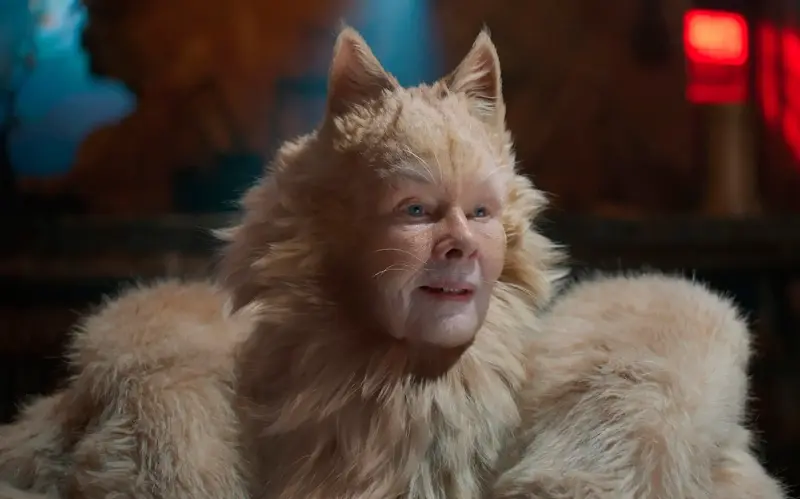
At times, this book can feel unpolished. The impression is of stumbling across the raw tapes of a ghostwriter interviewing his subject – if the ghost never got around to shaping his material into a book. It’s also hamstrung by the success of Dench and O’Hea’s first collaboration, Shakespeare: The Man Who Pays The Rent, which used up Dench’s best anecdotes about the rehearsal room. There are plenty of recycled stories here, such as Andrew Lloyd Webber’s already well-known plea to an airline when explaining why he needed an emotional support dog: “Have you seen what Hollywood did to my musical Cats?”
Where Dench’s gravitas does emerge is when she talks about acting. She can’t tolerate excessive trigger warnings – “it drives me wild” – and is rightly horrified by the rise of microphones in live theatre. (“Instead of their voices emanating from the stage they come from speakers around the auditorium… it has a distancing effect.”) We get glimpses of a thoughtful woman hungry to reinhabit the practice of silence that she learnt as a teenager, at a Quaker school. “Acting is a very unselfish profession,” she tells O’Hea. “At its core it’s about learning how to empathise… I also happen to think acting is about simplicity and economy, and trying to strip away anything that is fussy or extraneous.”
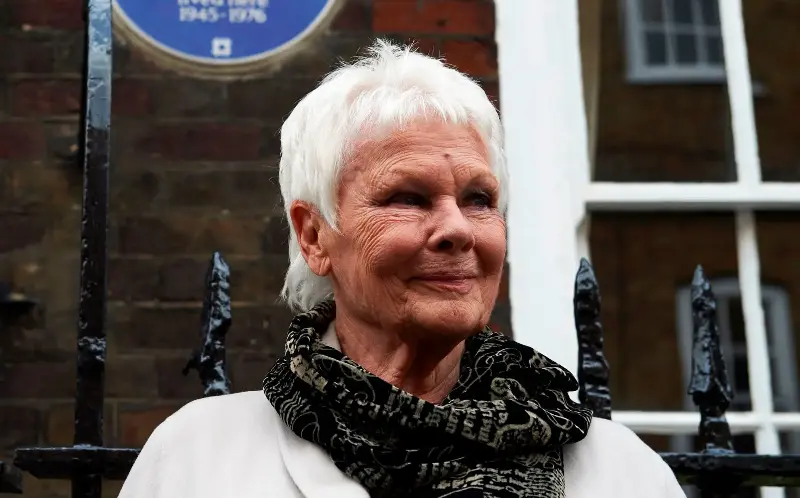
She now finds peace in crafting sculptures out of soapstone, a substitute for the painting habit that her deteriorating eyesight no longer permits. But for all this talk, the lasting impression left here is of a woman unable to live without the playful distraction that a gang of friends – or a backstage crew – can provide from reality. “I just panic if I’m left alone for too long,” she admits. For years, her constant companion was her husband, the actor Michael Williams, who died in 2001. Without him, Dench still seems profoundly unhappy in her own company.
★★★☆☆
Is It Too Late to Make a Run for It? is published by Michael Joseph at £19.99. To order your copy, call 0330 173 0523 or visit Telegraph Books