



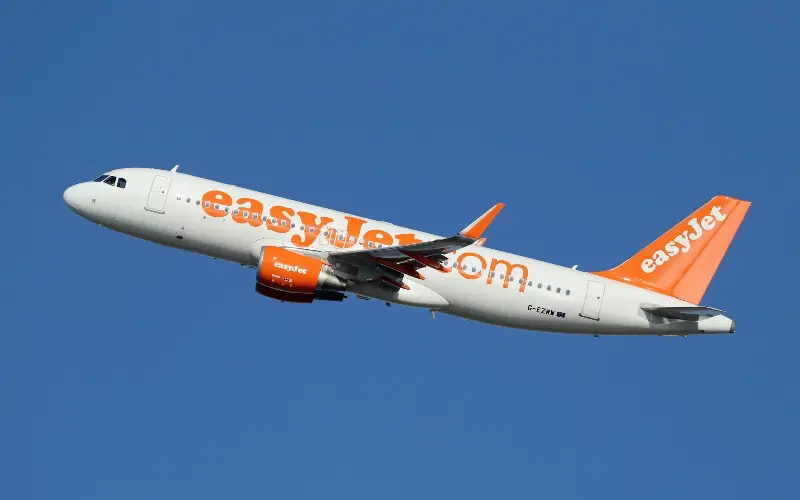
EasyJet is to cut thousands of flights from its winter schedule as the low-cost airline battles rising fuel costs.
Kenton Jarvis, the airline’s chief executive, said an extra 700,000 seats will be removed from its total capacity during the quieter months. It marks more cuts after the company said in the summer that it would reduce seat numbers by 700,000.
The extra cutbacks represent roughly two days’ worth of flying capacity, or an average of 3,500 individual flights over this period.
Fuel costs skyrocketed after the outbreak of war in Iran triggered supply chain disruptions in the Strait of Hormuz, with jet fuel prices nearly doubling.
Although prices have begun to ease, they remain significantly higher than airlines anticipated.
Mr Jarvis said: “People are taking capacity out, we see that across all competitors,” adding that the moves were “no surprise” given that fuel prices have stayed unexpectedly high.
He said that while European airlines hedge a portion of their fuel needs, they remain exposed to elevated spot prices for the remainder.
EasyJet, which has agreed to a £5.7bn takeover by US private equity giant Apollo, is hoping that by cutting its schedule it will reduce its reliance on high-cost fuel.
A spokesman for easyJet said: “Like all airlines, we review our schedule on an ongoing basis and sometimes make some changes. The changes to our winter flying represent a tiny proportion of our flying programme.
“We make any changes in advance and typically choose multi-daily frequency flights so customers can easily move to an alternative flight.”
‘We are facing an enormous cost challenge in 2027’
It follows similar cuts by rival Ryanair, which has reduced its winter flight schedule by as much as 4pc.
Michael O’Leary, the boss of Ryanair, warned that high fuel costs could persist for another 18 months, adding: “We are all facing an enormous cost challenge next year.”
He warned that costs would remain high even if peace was restored in the Middle East as there would be a lag of up to a year before lower prices filtered through.
Despite this, Mr O’Leary insisted that Ryanair would be able to weather these challenges as “the lowest-priced carrier”.
He said capacity cuts to save money were starting to have the desired effect of pushing up prices as airlines were focusing on their strongest routes while restricting seat supply.
Rising jet fuel costs are expected to deal a $100bn (£75.7bn) blow to the aviation sector this year, according to data from industry body Iata.
The pressure has already proven fatal for some as several high-profile carriers have entered bankruptcy since the conflict began, including Spirit Airlines, a US operator, and AirBaltic, the Latvian flag carrier.
Norse Atlantic Airways has been flying with a reduced schedule, citing high fuel prices.
Eivind Roald, its chief executive, said: “We continue to fly with reduced capacity in response to the prolonged high fuel prices, while continuously optimising our fleet allocation going forward.”
The long-haul budget carrier has lost about 92pc of its market value this year amid concerns about rising fuel costs and the viability of its business model.