



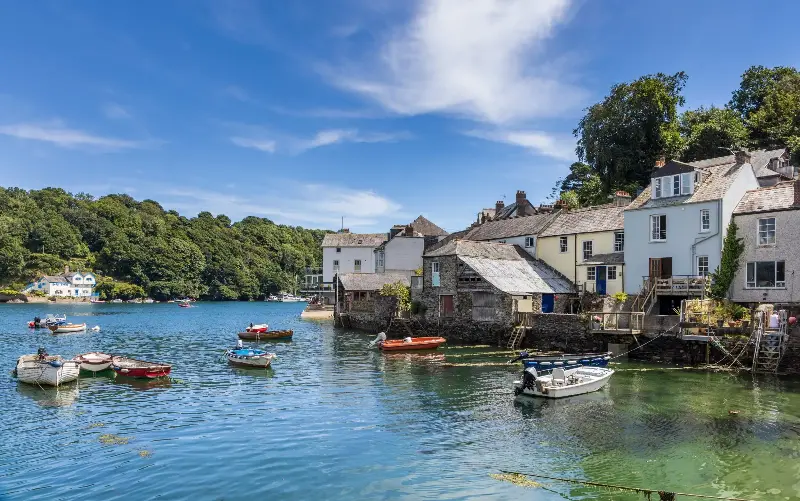
Sometimes it takes a while for a travel brand to make itself known. There have been whispers about the loveliness of the North East coast above Tynemouth for a while, but it was only in 2025 that Hazel Plater, a local photographer, christened her long-form documentary photo-project “The Geordie Riviera”.
“I love the region, which has so much to offer, and I think is underappreciated nationally,” she told local media. “At the same time, though, I don’t want too many people to know about our unspoilt beaches!”
Good luck with that one. This year the nickname has been picked up by national newspapers, and anyway, Dan Jackson, a local author, was already plugging the “Northumbrian Riviera” back in 2022.
But does it live up to the billing? And can it challenge the sultrier southern coasts?
Below, we have awarded each of Britain’s would-be rivieras a mark out of 10 for “riviera-ness”. Which is your favourite?
The Yorkshire Riviera
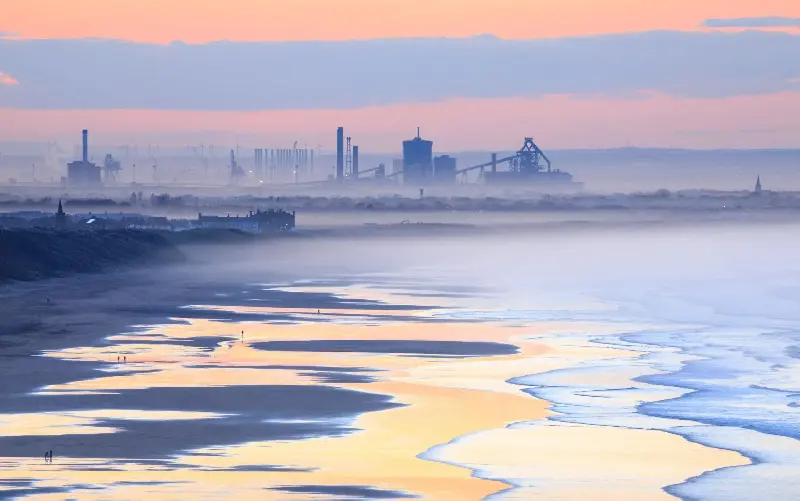
An 18-minute amateur film by Raymond Kitching shot in 1958 was titled Yorkshire Riviera – so the handle has been around for some time. It opens with a view of the South Gare breakwater at Teesmouth from Coatham beach, and covers the North Yorkshire coast from Redcar to Scarborough. A more recent source plots the riviera from Redcar through Bridlington to Withernsea.
So while no one doubts the attractiveness or historic value of Scarborough and Whitby, there can’t be a riviera if no one knows where it is. Maybe there’s a joke implied, that no self-respecting bluff Yorkshireman would have any truck with foreign words such as “riviera”.
My score: 1/10
The Geordie Riviera
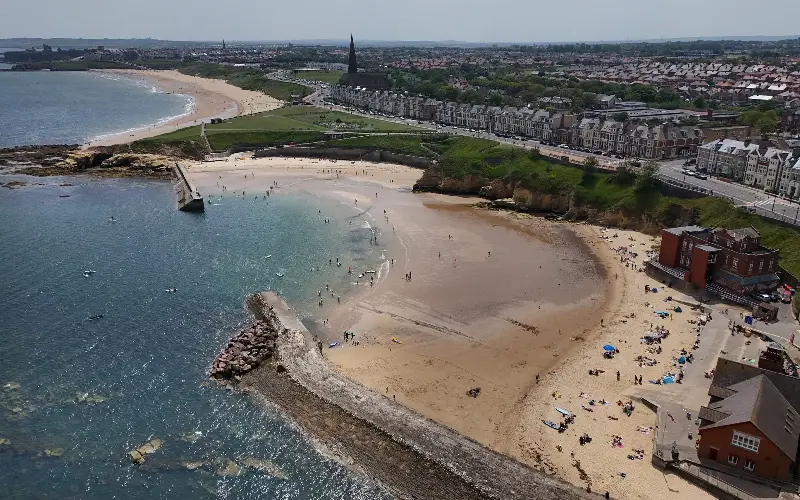
It would be great to nudge this newly baptised riviera up the ranking but, frankly, it’s a bit small. Tynemouth’s greatest asset is Long Sands Beach, which is a mile long and backed by dunes; it has a food festival and restaurant festival and was ranked Britain’s second-best seaside town in the most recent Which? survey.
Cullercoats is good for paddleboarding and bathing. Whitley Bay is a small resort town with a lighthouse and a former concert hall and much-loved landmark called Spanish City (mentioned in Dire Straits’ Tunnel of Love).
Easily arrived at via the Tyne and Wear Metro, this is a coast with a city close at hand. Instead of Cannes or Nice, you get Newcastle, which is far more fun.
My score: 3/10
The Welsh Riviera
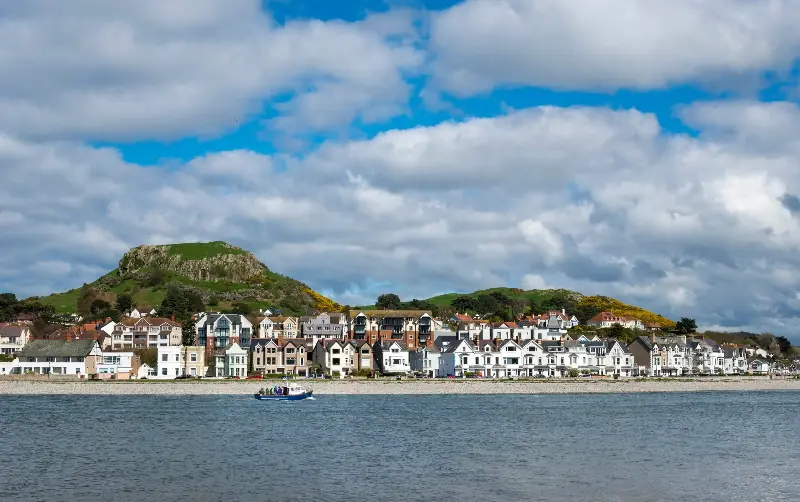
Llandudno is a handsome seaside town, thanks to the classic crescent of terraced houses along the front, lovely Victorian prom and pier, and a decent mix of hotels and places to eat and drink. Abergele, Colwyn Bay, Rhyl and Rhos-on-Sea have earned a solid place in the memories of generations of English families who went there from Liverpool and Lancashire before Mallorca became available, but they have somewhat declined and, anyway, always depended on static caravans for their local economy.
There are points of interest, such as the “Lourdes of Wales” at St Winefride’s Well, the UK’s longest cable car and Conwy and Flint castles, but the best things about this coast are inland, at Snowdonia (Eryri) National Park and along the Clwydian Range.
Some South Walians say there’s another Welsh Riviera around Tenby in Pembrokeshire, and it’s arguably a prettier one.
My score: 4/10
The Cornish Riviera
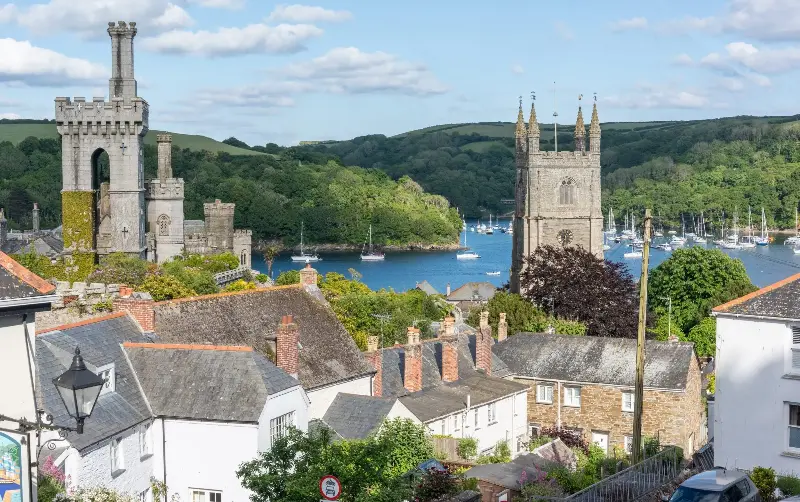
Though not widely used these days, the term “Cornish Riviera” dates back to the late Victorian and Edwardian eras, when railway companies promoted Cornwall’s south coast as Britain’s alternative to the French and Italian Rivieras. Colourful posters emphasised the milder climate, palm trees, attractive towns and picturesque scenery, and avoided mention of the fierce westerly winds and the weather that sometimes arrived from the north thanks to the Pembrokeshire Dangler.
A “riviera” requires a certain picturesqueness and Cornwall’s south coast has plenty of that between the pasty shops and pirate-themed kitsch that punctuate the stretch between the Tamar Estuary near the Devon border and the Fal Estuary around Falmouth. Fowey and Falmouth are lovely towns, especially the latter, with its maritime history, art galleries and Pendennis Castle.
My score: 6/10
The Suffolk Riviera
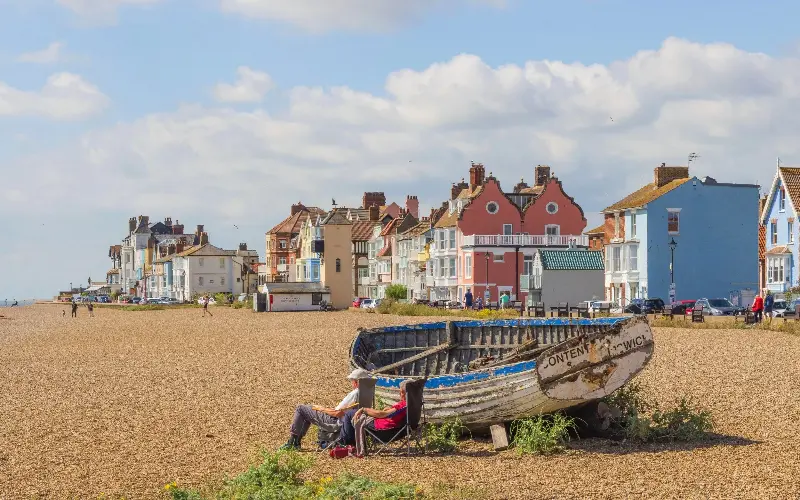
If you had told WG Sebald, the gloom-mongering German writer and Norfolk resident, that his 1995 psycho-geographical book The Rings of Saturn was about a “riviera”, he would have huffed and scoffed and grumbled. His descriptions of Lowestoft, Southwold and Dunwich are imbued with melancholy and a sense of loss, as trade and jobs have receded like a final apocalyptic tide and left behind only emptiness – and tourism.
But the Suffolk coast – combined with the Essex Coast & Heaths – is a National Landscape (or AONB, as we used to say) and, away from the towns, comprises a rich assortment of sandy beaches, shingle shores, tidal estuaries, ancient heath, marshes, rivers and reed-beds.
Aldeburgh still feels like it’s ensconced in a softer past time and it’s only a hop to Snape Maltings, home to music and food festivals and nearby Sutton Hoo.
My score: 7/10
The Lancashire Riviera
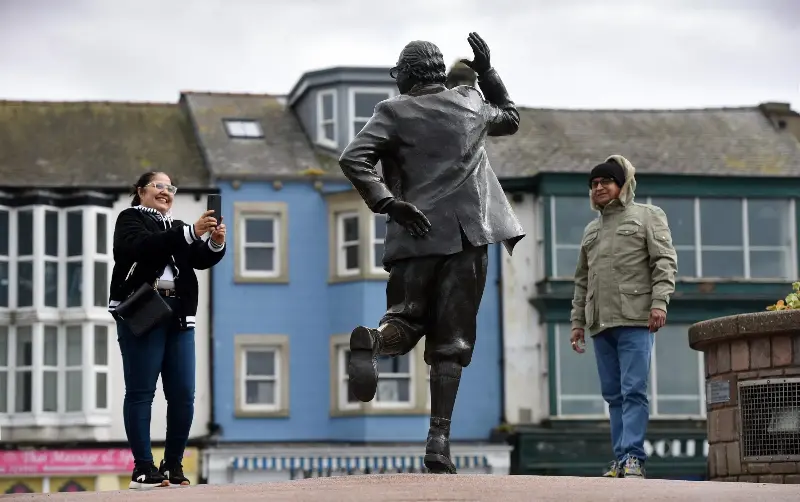
If only the Bowland fells were a little further to the west, creating a South of France-style backdrop to the resort towns of this coast. We can even wonder if Blackpool would be as it is if there were hills rather than potato fields looming over its phallic tower and big dippers.
As things stand, though, this is a pretty impressive coast, with famously beautiful Morecambe Bay at the northern end (with the Lake District’s southern peaks across the water) and nature-rich beauty spots such as the Ribble estuary and Formby’s dunes.
The big resorts, besides Blackpool, are Southport and Morecambe, and neither is as genteel as they used to be; but Lytham is quite chic and there’s fine dining if you head inland.
My score: 8/10
The English Riviera
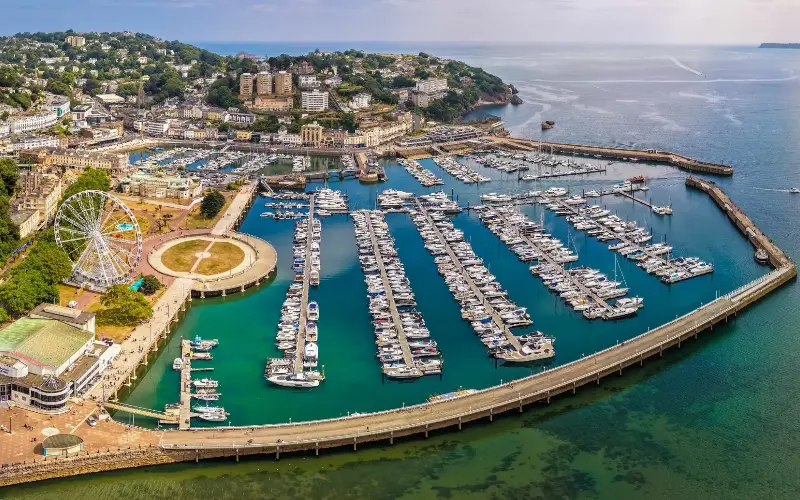
The only undisputed UK riviera (though some French people might demur), the one in Devon has also been designated a Global Geopark by Unesco for its “internationally significant geology” and “biodiversity” as well as a “wealth of recognised historical and cultural sites”. So it’s a riviera with knobs on.
The three towns of Torquay, Paignton and Brixham are the bright buttons of Torbay’s curving ribbon of sand, cliff and cove, and they’re very different in feel. The first is a mix of faded glamour and modern grime (with Fawlty Towers associations thrown in); the second is a beery, buckets, spades and arcades resort; and rough-and-ready Brixham is still recognisable as a fishing port.
The 22 miles of shore make for some excellent coast walking and just inland lie the South Hams and the steep-sided valley of the Dart river, with Agatha Christie’s Greenway House, Sandridge Barton winery and Totnes on its banks.
A riviera is enhanced by a clement climate and high-quality bathing water, and Torbay has both. A very creditable riviera, then – but, in truth, nowhere near as nice as the stretch of coast between Brixham and Plymouth.
My score: 9/10
Chris Moss is the author of Lancashire: Exploring the Historic County that Made the Modern World and Where Tourists Seldom Tread: Postcards from Bypassed Britain – available from the Telegraph Bookshop.