


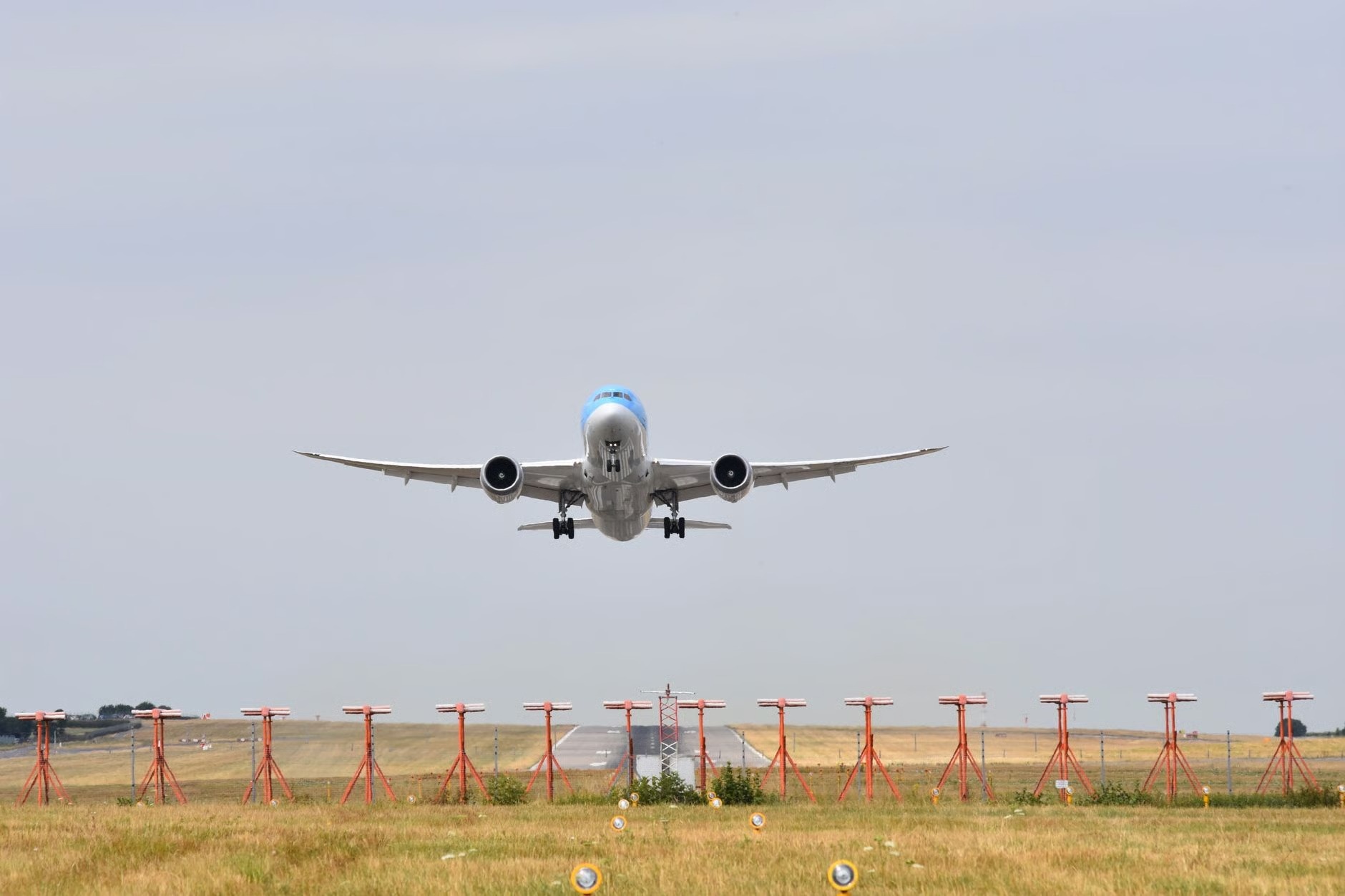
When an aircraft experiences a problem shortly after takeoff and has to return, the safe option isn't always to land immediately. In many cases, the flight crew must stabilize the aircraft, handle the anomaly, assess fuel levels, and even circle several times before returning to the runway.
Behind every safe U-turn lies a closely coordinated process involving the flight crew, air traffic control (ATC), the airport, and the technical team.
Keep the aircraft stable before turning around.
In commercial aviation, the return of an aircraft to its departure airport after takeoff is called an air turnback . This is a specific situation that is regulated in detail in aviation safety documents.
According to SKYbrary (an aviation safety database supported by EUROCONTROL), when an anomaly occurs shortly after takeoff, the flight crew must first maintain control of the aircraft. Depending on the specific situation, the safe option may be to continue flying and then return instead of attempting an immediate landing.
During this process, the pilot must determine how controllable the aircraft remains, which systems are affected, whether it can continue to ascend or needs to remain at a low altitude, whether an emergency needs to be declared, and which airport is the most appropriate option.
On modern aircraft, incident warnings are displayed via systems such as Airbus's ECAM or Boeing's EICAS. The flight crew then follows established emergency and anomaly procedures specific to each aircraft type. These procedures help pilots handle the situation sequentially, rather than having to develop a plan from scratch under high pressure.
|
|
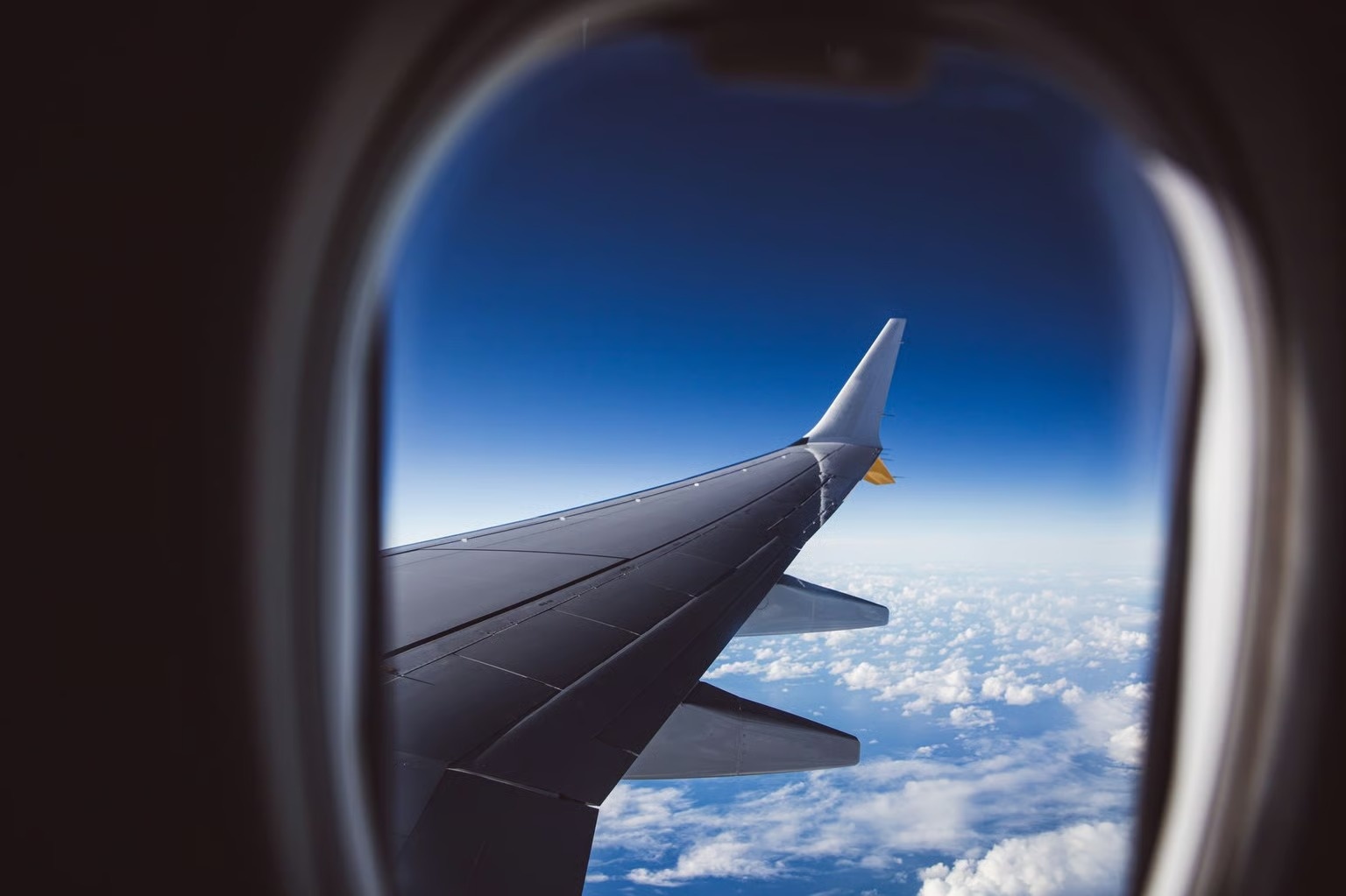
After experiencing an incident in the air, the aircraft may have to circle, burn off, or dump fuel before landing. Photo: Pixel. |
The problem of weight and fuel discharge.
One of the next important considerations is aircraft weight. With a wide-body aircraft just beginning a long journey, there is still a large amount of fuel remaining, while the Maximum Allowable Landing Weight (MLW) is usually lower than the Maximum Allowable Take-Off Weight (MTOW).
The U.S. Federal Aviation Administration (FAA) defines MLW as the maximum approved weight at the time of landing. When an early return is necessary, the flight crew may consider three options: continue flying to consume fuel, jettison fuel if the aircraft is equipped with the appropriate system, or land while still exceeding the MLW if the emergency situation does not allow for waiting.
There is no fixed order or formula for these choices. If the aircraft is stable, the crew may circle to burn off fuel or dump fuel to reduce weight. Conversely, if the situation threatens to worsen, landing overweight may be safer than remaining airborne to wait for the aircraft to lighten.
SKYbrary also noted that each option has its own trade-offs: landing beyond the MLW increases the demands on the runway and braking system, while circling prolongs the aircraft's time in the air; jettisoning reduces weight more quickly but must be done according to procedure and the aircraft needs to be equipped with a fuel jettison system.
EASA also requires performance calculations to take into account weight, environmental conditions, aircraft configuration, and other factors affecting flight performance. Meanwhile, emergency return scenarios, fuel consumption, or discharge may be considered when determining landing feasibility.
|
|
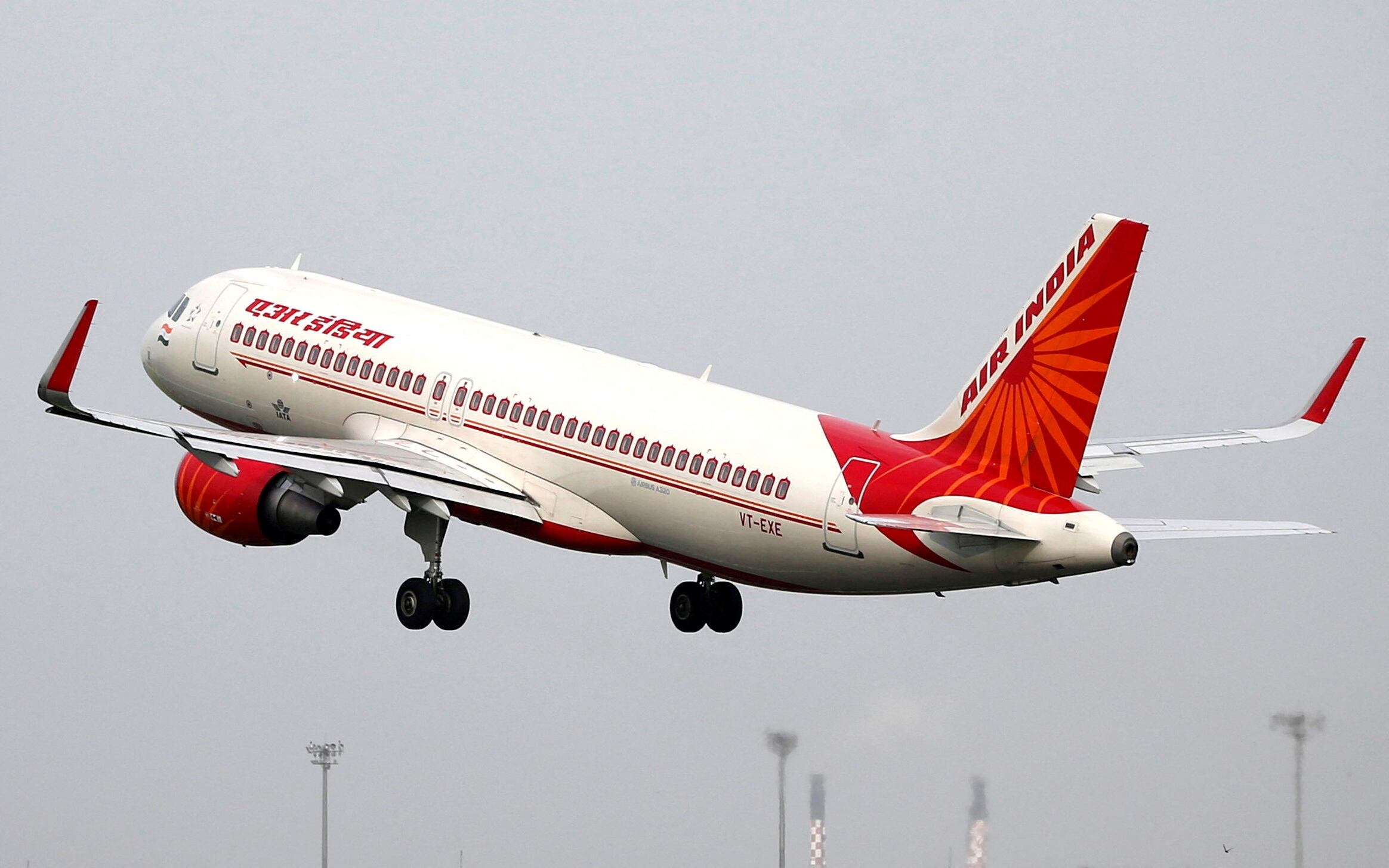
For long-haul aircraft, turning back immediately after takeoff could mean landing while still too heavy. Photo: Reuters. |
A Jet Airways Boeing 777 in 2017, after taking off from Amsterdam, also returned to Schiphol and dumped fuel before landing. The aircraft was then subjected to a thorough technical inspection.
Meanwhile, a Boeing 767 at Manchester in 2008 demonstrates a possible alternative: after following the Quick Lookout Manual (QRH) procedures, the crew dumped fuel, returned to the airport, and landed while still overweight. AAIB UK records show the aircraft returned safely.
These cases demonstrate that circling before landing isn't necessarily a delay, but can be a way for the flight crew to proactively reduce weight and create more safety margin. However, when the aircraft's condition doesn't allow for waiting, the priority remains bringing the aircraft to the ground in the safest possible condition, even if the weight still exceeds normal limits.
Coordination between the cockpit, ATC, and ground crew.
Even after the aircraft has stabilized and its weight has been adjusted to a suitable level, the ultimate challenge remains a safe landing. The heavier the aircraft, the greater the energy required for landing, leading to higher demands on the runway, braking system, and landing gear. Therefore, the flight crew must consider runway length, wind direction, surface conditions, and airport support capabilities before choosing an approach method.
Simultaneously, upon receiving notification, the air traffic control (ATC) crew must determine the level of urgency, prioritize aircraft in the traffic flow, arrange appropriate flight paths and runways, and keep other aircraft away from the area that the aircraft experiencing the incident may be passing through.
If an aircraft needs to dump fuel, the ATC must coordinate to determine the appropriate area and altitude, while maintaining separation from other aircraft. If the flight crew declares an emergency, this information is relayed to the airport to activate the appropriate response plan.
|
|
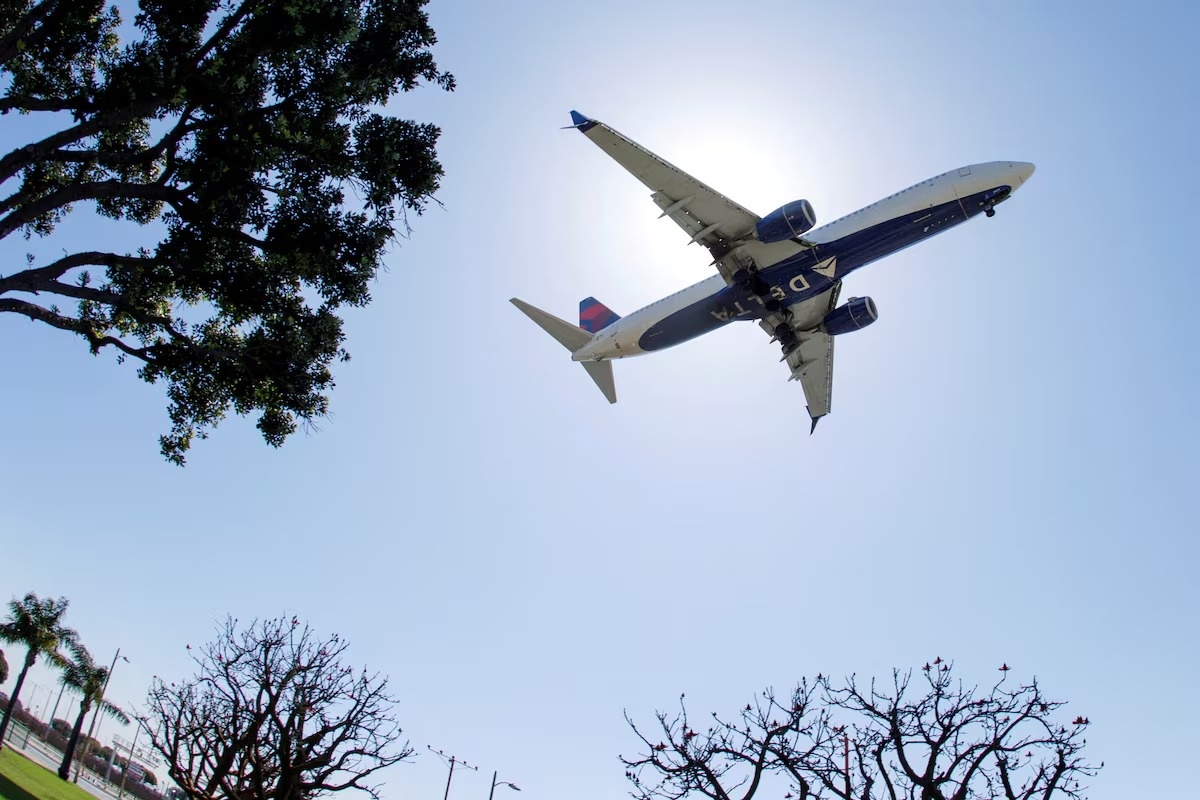
A Delta Airlines passenger plane approaches for landing at LAX airport in Los Angeles, California (USA) in April 2021. Photo: Reuters. |
On the ground, the airport can quickly transition from normal operations to emergency readiness mode. Airborne Fire and Rescue Services ( ARFFS ) are deployed to the appropriate location, ready to access the runway immediately after an aircraft lands. Depending on the severity of the incident, the airport may mobilize additional ambulances, medical personnel, runway operators, and other support units.
In 2009, an Airbus A340-500 experienced a problem shortly after takeoff from Melbourne and the crew requested to return. Air Traffic Control (ATC) guided the aircraft over Port Phillip Bay to dump fuel, after which the plane returned to Melbourne and landed safely, according to Aviation Herald .
This case also illustrates the role of air traffic control (ATC): in addition to receiving requests to turn around, ATC must establish a suitable flight path, maintain separation from other aircraft, and coordinate when the aircraft is dumping fuel.
The ATSB also noted that controlling the descent speed and landing velocity was particularly important during an overweight landing. In this case, automated systems were used to maintain a stable approach trajectory, while the pilot focused on monitoring the aircraft's parameters. After landing, data on weight and descent speed were used for technical inspections.
The airport's job isn't finished when the aircraft touches down on the runway. After an overweight landing, a hard landing, or an unusual load, the aircraft may need to be inspected before being put back into service. Airbus stipulates that hard landings and hard overweight landings may trigger special technical inspection requirements.
The above cases demonstrate that there is no one-size-fits-all formula for every turnaround. The flight crew must constantly weigh the options between staying airborne longer to reduce weight and landing early when the aircraft's condition demands it; between continuing to handle the anomaly and bringing the aircraft to the ground; and between a normal runway and a more suitable option. The ultimate goal is not the fastest landing, but landing with the lowest risk.